
Last updated October 17, 2026
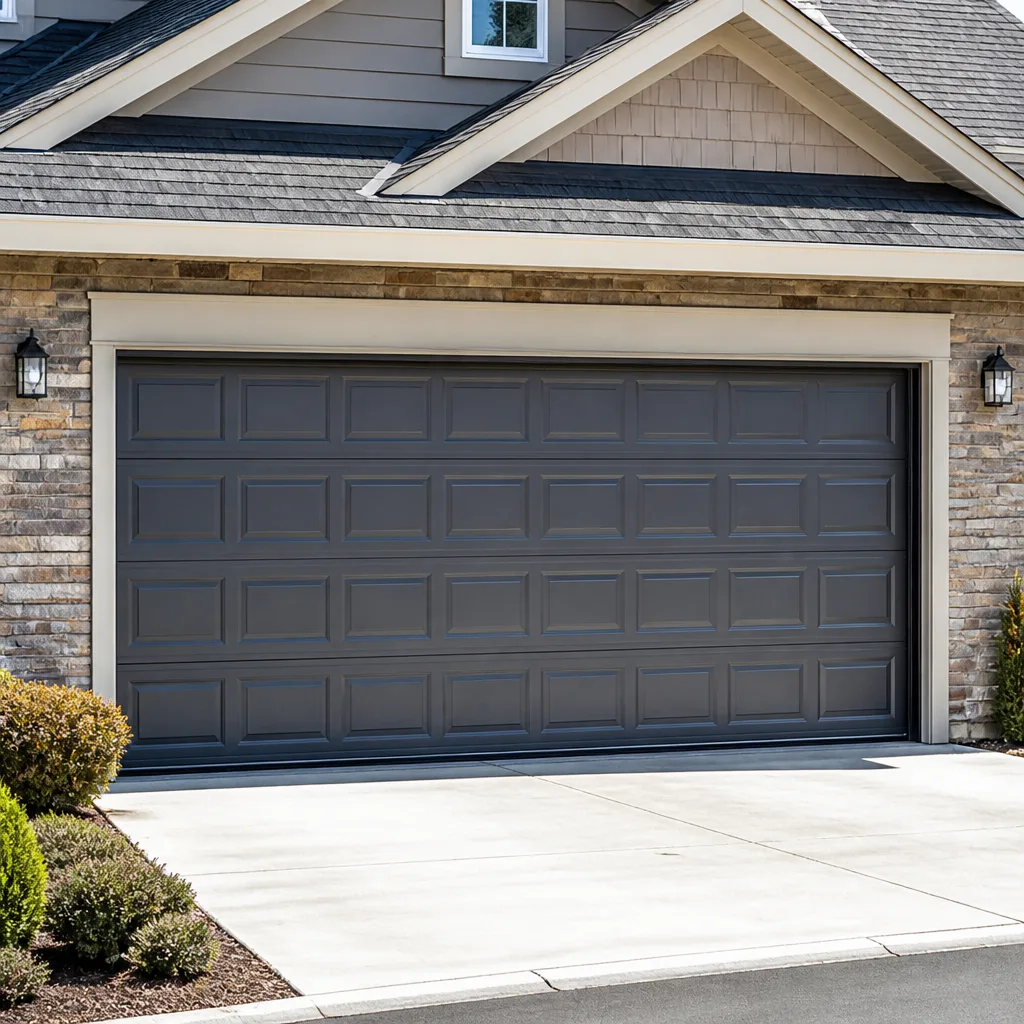 Raised-panel steel
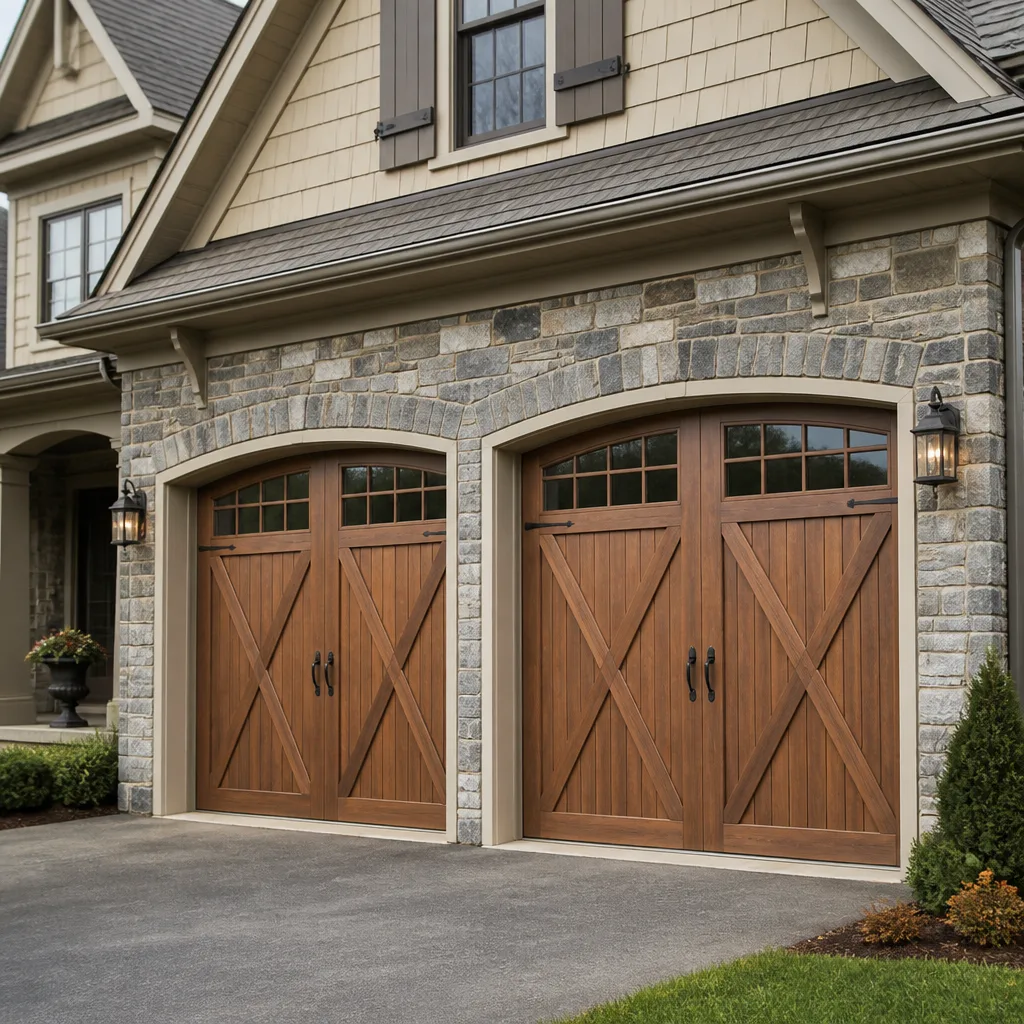 Carriage house
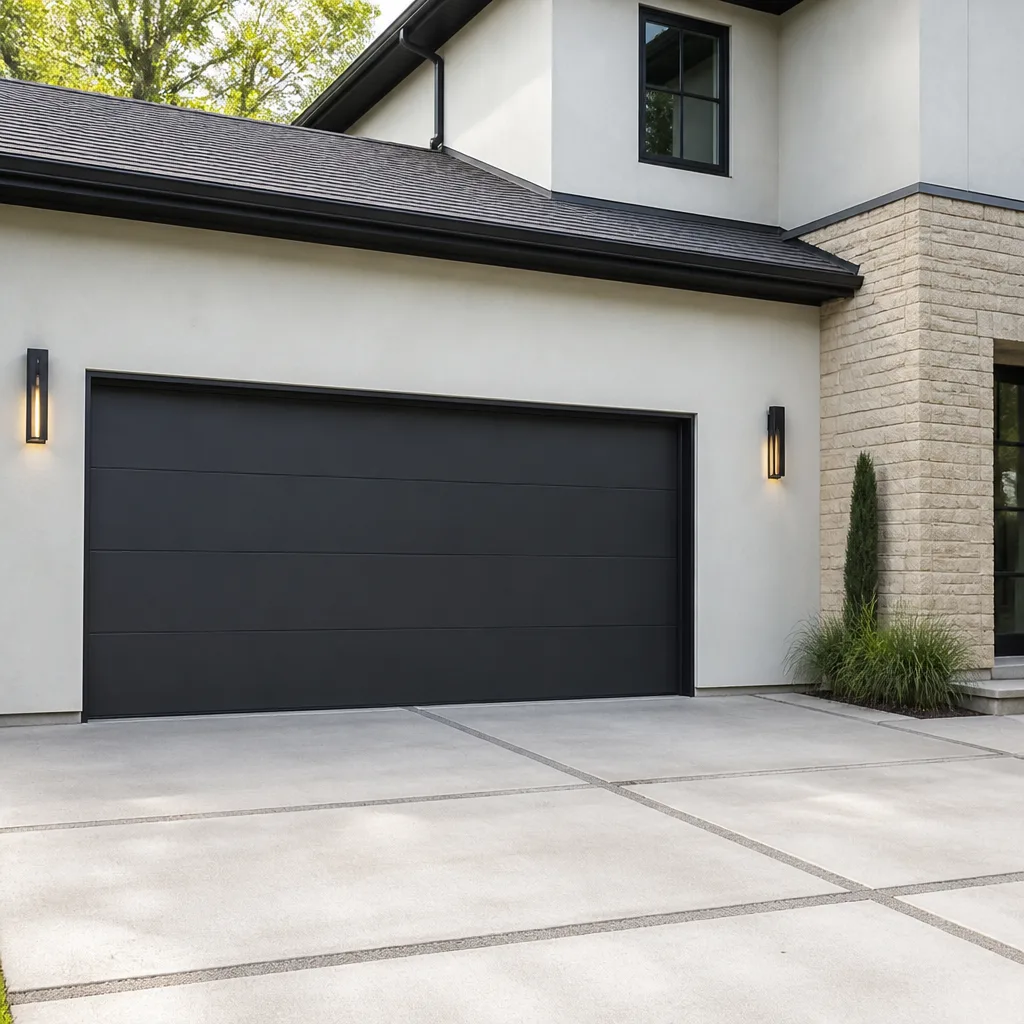 Modern flush
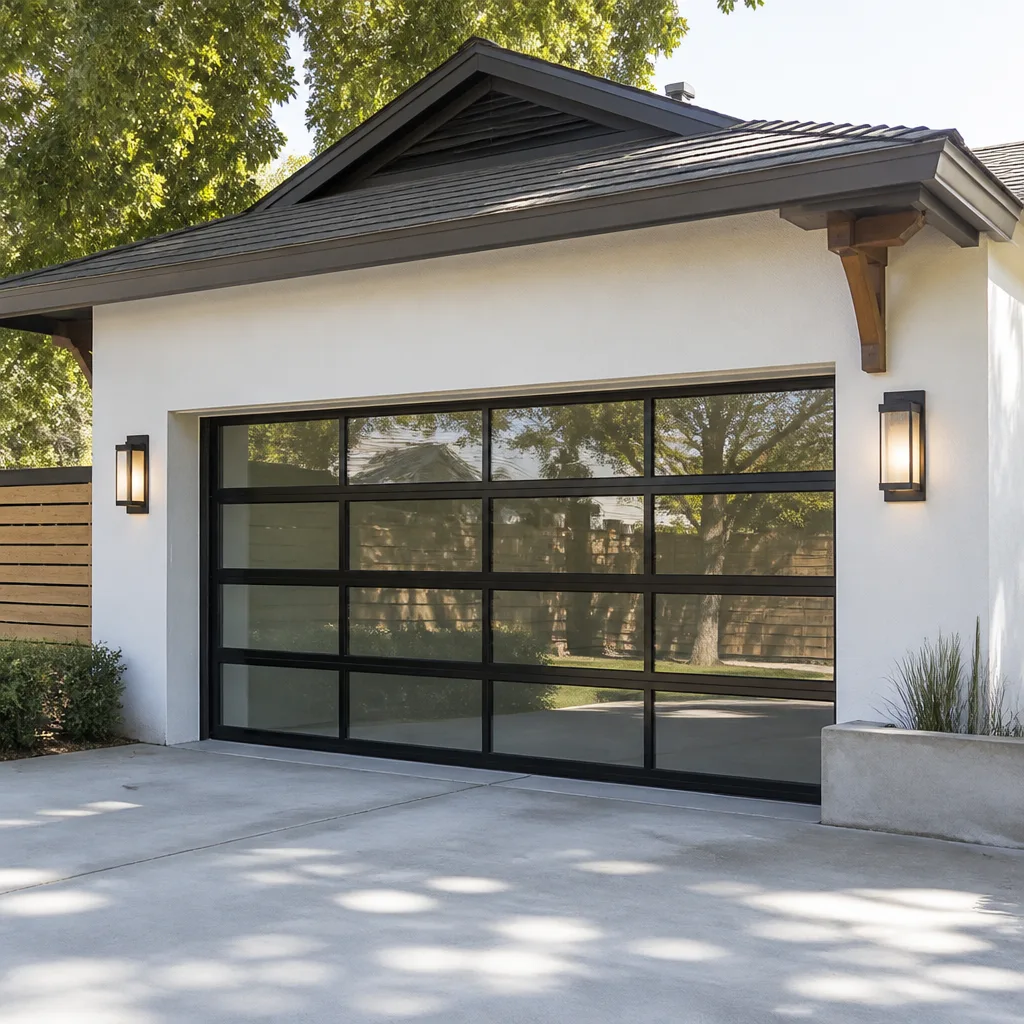 Full-view glass
 LiftMaster openers
 Chamberlain openers
Full 25-point door and opener safety check with every visit - springs, cables, rollers, tracks, and your LiftMaster or Chamberlain opener included
You get a price before we start. It does not change when the truck arrives.
Get your free estimateGarage Door Permits, Codes & Inspections in FL: What You Need to Know
A garage door replaced without the required permit in Orange County doesn’t just risk a fine. It can void the wind-load certification that your homeowner’s insurance policy relies on, meaning a storm claim on a permitted house is paid while the same storm claim on your unpermitted door is disputed. That’s the part nobody tells you until it’s too late. This guide walks through exactly when a permit is required in Orlando, what the inspection looks like, what it costs, and how unpermitted work surfaces later during a home sale. We’ve handled doors in College Park, Baldwin Park, Dr. Phillips, and Winter Park long enough to know where the paperwork problems hide.
Quick Answer
Under the Florida Building Code, replacing a garage door in Orlando generally requires a permit when the opening size changes, when structural framing is altered, or when the new door carries a different wind-load rating than the original. Like-for-like swaps of the door panels and track without structural modification often fall under ordinary repair and may not need a permit, but installing a new door in an existing opening with new track and mounting hardware typically does. The safest path is to confirm with Orange County or the City of Orlando permitting office before work starts, because the classification depends on specifics.
Styles & brands we work with
Table of Contents
- The Florida Building Code Sections That Govern Garage Doors
- When a Permit Is Required in Orlando (and When It Isn’t)
- Who Pulls the Permit: Homeowner or Contractor?
- How to Apply for a Garage Door Permit in Orlando and Orange County
- What Inspectors Actually Check During a Garage Door Inspection
- Why Garage Door Inspections Fail in Central Florida
- HOA Approval Requirements: Why Code Compliance Alone Isn’t Enough
- How Unpermitted Garage Door Work Surfaces in Title Searches and Insurance Claims
- The Cost of Doing It Right vs. Remediation After the Fact
The Florida Building Code Sections That Govern Garage Doors
Florida’s approach to garage doors is shaped by one fact: hurricanes. The state sits in a high-wind zone, and the Florida Building Code (FBC) treats a garage door as a structural component of the building envelope, not a cosmetic feature. The two sections that matter most for homeowners are FBC Section 1609, which establishes wind-load requirements, and FBC Section 612, which covers exterior garage doors and the testing standards they must meet.
Section 1609 sets the minimum design wind speed for a structure based on its location. Orlando sits in a region where the design wind speed reaches 120 mph or more depending on the exact parcel, which means garage doors here must be rated to withstand significant positive and negative pressure. A door that meets code in, say, Tennessee will not automatically meet Florida standards. The door you buy from a big-box store may say “hurricane rated” on the box, but the label means nothing unless the product meets the specific design pressure rating calculated for your home’s wind zone and exposure category.
Section 612 requires that garage doors be tested and labeled in accordance with ANSI/DASMA 108 or ASTM E330, which are standardized test methods for wind load resistance. When an inspector looks at your new garage door, they are checking for a permanent label or sticker that shows the door’s design pressure rating, the manufacturer’s name, and the applicable test standard. In our experience in Orlando, the most common reason a homeowner’s new door fails inspection has nothing to do with the installation quality and everything to do with a missing or illegible wind-load label. The sticker is small, and it peels off in Florida humidity. We tell every customer to photograph it before it fades, because that label is the first thing the inspector asks to see.
There is a third provision worth knowing: FBC Section 105, the administrative section that defines what qualifies as “ordinary repair” versus work requiring a permit. The distinction matters because it determines whether your project is permit-exempt or not. The language is precise, and it’s the part most often misread by homeowners trying to avoid the paperwork.
When a Permit Is Required in Orlando (and When It Isn’t)
Orlando and Orange County follow the Florida Building Code’s permit trigger thresholds, but local interpretation matters. Here is the rule in plain terms: a permit is required when the work is not defined as ordinary repair. The FBC defines ordinary repair as work that does not affect the structural integrity, egress, fire resistance, or wind-load rating of the building. That definition is the hinge the whole decision swings on.
Replacing the door panels themselves, without touching the track, springs, or mounting hardware, generally falls under ordinary repair and stays permit-exempt. So does replacing a broken spring, a frayed cable, or a worn roller. Those are repairs, not installations, and the building department doesn’t want to hear about them. See our page on Garage Door Spring Repair in Orlando for what those repairs involve and what they should cost.
The situation changes when you are installing a new door. Here is where the confusion starts: many homeowners think “replacing” a garage door is just removing the old and bolting on the new, same as swapping a dishwasher. But a new door brings new track, new mounting hardware, new spring assemblies, and typically a different weight and wind-load rating than the door it replaces. That counts as an installation that can affect the building’s structural performance. In Orange County, permit reviewers typically require a permit when the door is being changed out with new framing attachments, even if the rough opening doesn’t change.
The cases where a permit is almost always required:
- New door installation in a new or altered opening. If you’re widening an existing garage door opening or cutting a new one, structural framing changes are involved. Permit mandatory.
- Converting a garage door to a wall or a wall to a garage door. This changes the building envelope, the wind-load profile, and possibly the egress requirements. Permit mandatory.
- Installing a door with a different wind-load rating than the original. If the original door was rated for a 120 mph wind zone and the replacement is rated lower, the building’s overall certification is affected. Permit required, and the inspector will ask for the door’s pressure-rating label.
- Full door system replacement including track, springs, and mounting. As discussed, this is the grayer area, but Orlando reviewers generally want a permit here.
The cases where a permit is typically not required:
- Panel-only replacement. If you keep the original track and hardware and only replace damaged panels, it’s ordinary repair.
- Spring, cable, roller, or hinge replacement. These are wear items and don’t require a permit.
- Opener replacement. That’s an electrical appliance swap, not a structural change. A permit usually isn’t needed for the opener alone.
If this sounds like a lot of gray area, it is. The Code’s definition of “structural” leaves room for interpretation, and different plan reviewers in Orange County have drawn the line in slightly different places over the years. The practical guidance we give Orlando homeowners is to call the permitting office, describe the project in one sentence, and ask for a determination in writing. It costs nothing and creates a paper trail if the question ever comes up during a home sale.
Who Pulls the Permit: Homeowner or Contractor?
This is one of the most commonly misunderstood parts of the garage door permitting process, and the answer affects your liability. Under Florida law, the party performing the work is responsible for pulling the permit. If you hire a contractor to install a garage door, the contractor is legally required to obtain the permit in their name, not yours. If a contractor tells you to pull the permit yourself because “it’s cheaper that way” or “the homeowner can do it as a do-it-yourself project,” that is a red flag. When a homeowner pulls a permit for work done by a contractor, the legal responsibility for code compliance shifts to the homeowner, which means the homeowner carries the risk if the work fails inspection or causes a problem later.
Florida Statute 489 requires contractors to pull permits for work in their licensed trade. A licensed garage door contractor who asks you to pull your own permit is either unlicensed, improperly insured, or trying to avoid the cost and record of permitting. None of those are situations you want attached to your home.
The exception is when you genuinely do the work yourself as a homeowner. Florida allows an owner-builder exemption for work on your own residence, but it comes with a significant caveat: if you pull an owner-builder permit and sell the home within one year, the buyer can hold you legally responsible for defects in the work. The owner-builder route also means you personally assume all liability for code compliance, not just the labor. For a garage door, which is heavy, spring-loaded, and wind-rated, that is more risk than most people want to carry. Homeowners who care about how a job gets done usually prefer a contractor whose permit history is an open book. When our team handles Garage Door Installation in Orlando, the permit is in our name, and the inspection record travels with the property.
How to Apply for a Garage Door Permit in Orlando and Orange County
The application process in Orlando depends on your address. Homes inside Orlando city limits apply through the City of Orlando Permitting Services division. Homes in unincorporated Orange County apply through the Orange County Division of Building Safety. Adjacent municipalities like Winter Park, Maitland, and Apopka have their own permitting authority, and while the underlying code is the same statewide, each office has slightly different forms and fees.
Here is the typical step-by-step for a garage door permit in Orlando:
- Determine jurisdiction. Enter your address on the Orange County Property Appraiser’s website to confirm whether you’re in unincorporated Orange County or within city limits. This determines which office you apply to.
- Prepare the required documents. You’ll need a completed permit application, a site plan or property sketch showing the garage location, and a product approval document for the garage door you’re installing. The product approval is a Florida-specific document that lists the door’s wind-load rating and approved installation methods. Without it, the application stalls.
- Submit the application. Both Orlando and Orange County accept online applications through their permitting portals. The online submission requires scanned copies of the documents above plus the permit fee payment.
- Pay the permit fee. Garage door permit fees in Orlando and Orange County typically range from $75 to $200 depending on the project value and inspection type. The fee schedule is published on each office’s website and updates annually.
- Wait for plan review. Garage door permits usually fall into a “minor alteration” or “express” review track, which means turnaround is faster than a full structural review. In our experience, Orlando homeowners can expect the review to take anywhere from 3 to 10 business days, depending on current office volume.
- Schedule the inspection. Once the permit is issued and the work is complete, you or your contractor calls to schedule the final inspection. Orlando and Orange County both use online or phone scheduling, and inspection windows are usually offered in half-day blocks.
One point that surprises many homeowners: the permit is not just paperwork. The permit number creates a public record that the work was performed lawfully and inspected. Title companies search for that record during a sale. Insurance adjusters reference it during a claim. The $100 permit fee buys you a documented, defensible record of compliance that can save thousands later, which is the exact calculation we walk through later in this guide.
What Inspectors Actually Check During a Garage Door Inspection
A garage door inspection in Orlando is brief, usually 10 to 20 minutes on site, but the inspector is checking specific items that tie directly to the Florida Building Code. Knowing what they’re looking for helps the inspection go smoothly and tells you something about what matters for the long-term safety of the home.
Here is what the inspector is verifying, in order of priority:
- Wind-load label and product approval. The inspector will look for the permanent label on the door showing its design pressure rating, test standard, and manufacturer information. This must match the product approval document submitted with the permit application.
- Mounting and attachment methods. The inspector checks that the track and mounting brackets are fastened in accordance with the product approval, including fastener type, spacing, and embedment into the surrounding structure. The product approval document contains specific installation details that the inspector cross-references.
- Connection of the door to the structural frame. The jambs and header that support the door must be in sound condition. If rot, termite damage, or prior structural modification is visible, the inspector may flag it for correction before signing off.
- Spring containment. Extension springs require safety cables through the center. Torsion springs must be properly mounted on a spring anchor pad. This is a code requirement under FBC Section 609 and also a critical safety item.
- Photo-electric sensors and reversing mechanism. For door openers, the inspector verifies that the sensors are mounted 4 to 6 inches above the floor and that the auto-reverse works when tested. If the door doesn’t come with an opener, this item isn’t part of the inspection.
It’s worth emphasizing that the wind-load label is the single most common point of failure. In Central Florida’s heat and humidity, the adhesive on those labels breaks down within a year or two. When the label peels off, fades, or gets painted over, the inspector has no way to verify the door’s rating, and the inspection fails. The fix is usually a letter from the manufacturer or a replacement label, but that process can take weeks and delay the permit close-out.
Why Garage Door Inspections Fail in Central Florida
In our experience across Orlando, the reasons for failed garage door inspections fall into a consistent pattern. None of them are complicated to prevent, but all of them cause frustration and delay when they’re overlooked.
- The product approval document doesn’t match the installed door. A homeowner buys a door from one supplier, the permit is filed with a product approval for that door, and then a different model or a different size gets installed at the last minute. The inspector checks the label against the paper, and the mismatch fails the inspection.
- Missing or illegible wind-load label. As mentioned, the label matters. It’s a small thing that gets easily overlooked until the inspector asks for it.
- Improper fastener installation. The product approval specifies fastener types and spacing. If the installer used drywall screws instead of the specified lag screws, or spaced the fasteners too far apart, the inspector will catch it. This is one of the reasons we train our technicians to follow the product approval document line by line, not just their field habits.
- Safety cables missing on extension springs. Older Orlando homes often have extension spring doors, and when a new door replaces the old, the safety cables sometimes get left off. The inspector will fail this immediately.
- Photo-eye sensors mounted too high or misaligned. The code is specific: sensors within 6 inches of the floor. A sensor mounted at 8 inches because “it looked better” doesn’t pass, and neither does one that doesn’t align.
- Structural decay not addressed before installation. If the door is mounted to a rotted jamb, the inspector fails the job. The jamb must be repaired first. This is a common issue in older Orlando neighborhoods where wood-framed garages have been exposed to decades of Florida rain.
Each of these failure points is preventable with a careful installation, but they point to a larger principle: the inspection is a check on both the product and the workmanship. A cheap install that skips the details may save money on day one and cost a week of delay and a re-inspection fee on day ten.
HOA Approval Requirements: Why Code Compliance Alone Isn’t Enough
If you live in an Orlando neighborhood with a homeowners association, the code-compliance story has a second chapter that your building permit doesn’t cover. HOAs in communities like Baldwin Park, Avalon Park, and Lake Nona have design review boards that regulate the appearance of garage doors, even when the Florida Building Code is satisfied. Code compliance proves the door is safe. HOA approval proves the door is allowed to look the way it looks.
Many Orlando HOA covenants require residents to obtain architectural review board approval before changing the exterior appearance of the home, and a garage door is explicitly listed in most design guidelines. The HOA may restrict the door’s color, material, panel style, window configuration, and even the manufacturer. Some associations maintain a pre-approved list of garage door styles and will reject a door that deviates from the list, even if that door meets every wind-load and structural requirement in the Florida Building Code.
The process is separate from the building permit:
- Start with the HOA first. Submit your proposed door’s specifications, color sample, and manufacturer documentation to the architectural review board before you order the door. HOA review can take 30 days or more, which is longer than most building permits take. Starting with the HOA prevents you from ordering a door the board will reject.
- Submit the building permit second. Once the HOA approves the door, the building permit application proceeds with that approved style. The building department doesn’t care about color, but it does care about the wind-load rating, so the two approvals serve different purposes.
- Keep both approvals in the same folder. When you sell the home, the buyer’s lender will usually ask for evidence that exterior modifications were approved. A code-compliant door that the HOA never approved can become a sale contingency or a required retrofit later.
Homeowners sometimes skip the HOA step because it feels like an obstacle to a project they already know they want to do. The problem is that HOA enforcement doesn’t follow the building permit timeline. A board can issue a violation notice years after the door is installed, and the remedy is usually “remove the door and replace it with a board-approved style.” For a door that cost $2,500 to $5,000, that’s an expensive lesson. If you’re in an HOA community and unsure whether your garage door plan needs approval, the HOA management office will tell you, usually by email and usually within a week.
How Unpermitted Garage Door Work Surfaces in Title Searches and Insurance Claims
This is the section most Orlando homeowners never think about until the moment it matters. An unpermitted garage door installation can sit unnoticed for years, and then surface at the worst possible time, in one of two ways: a title search during a home sale or an insurance claim after storm damage.
Title searches are standard procedure in any financed home sale in Florida. The title company and the buyer’s lender review the property’s permit history to identify unpermitted work. In Orange County, garage door permits are public records. When a title company sees that a garage door was installed in 2017 but there’s no corresponding permit, it flags the item as a potential title defect. The buyer then has three choices: accept the risk, demand that the seller obtain an after-the-fact permit, or walk away. An after-the-fact permit requires the same inspection as a regular permit, but the process is more involved because the inspector must verify compliance on a door that may have been installed years ago, possibly with components no longer in production. The homeowner who skipped the $100 permit often spends $500 to $2,000 on remediation before the sale can close.
Insurance claims follow a similar pattern, but the stakes can be higher. Florida homeowners insurance policies tie coverage to the home’s windstorm mitigation features, which include the garage door’s wind-load rating. If a hurricane damages your garage door and the adjuster discovers the door was replaced without a permit, the policy’s windstorm coverage for that component can be denied, or the insurer can reduce the claim payout based on the unverified condition. This isn’t a hypothetical scenario. After every major storm in Florida, adjusters run permit checks on homes with recent exterior work. The permitted house gets paid. The unpermitted door gets disputed. This is the exact risk described in the opening of this guide, and it’s the reason we tell every Orlando customer to pull the permit, keep the paper, and photograph the wind-load label before it fades.
The Cost of Doing It Right vs. Remediation After the Fact
The math on garage door permits is straightforward when you compare the two paths side by side. The table below shows the expense of a properly permitted installation versus the costs that arise when an unpermitted door has to be fixed later.
- Permit fee at time of installation: $75 to $200, paid once, usually by the contractor as part of the job.
- Re-inspection fee if the first inspection fails: $50 to $150, and only incurred if the work wasn’t done correctly.
- After-the-fact permit for unpermitted work: $250 to $500 in Orlando, often double the original permit fee, plus the cost of any corrections the inspector requires.
- Ancillary repair cost if the door was installed incorrectly: Varies, but structural corrections to framing or attachment points can run $500 to $2,500 depending on severity.
- Cost of replacing a non-compliant door with an HOA-approved style: $2,500 to $6,000, including the new door and installation labor, not including the original door’s cost.
- Reduction in insurance payout for a denied or disputed windstorm claim: Potentially the replacement value of the door, $2,000 to $6,000, or the portion of the claim tied to the garage.
The properly permitted installation costs an extra $75 to $200 at the time of the job and creates a recorded, inspectable, defensible compliance trail. The unpermitted installation saves that money today and risks thousands later, whether through a title remediation, an HOA enforcement action, or an insurance adjustment. The economic conclusion is not close, and it’s the same conclusion we’ve seen every city in Central Florida arrive at in practice: pull the permit.
One more note on who pays for what. When we install a door for an Orlando homeowner, the permit is part of the job, not an add-on line item we spring after the quote. The written price includes the permit fee, the inspection scheduling, and the photo documentation of the finished work. Our Fernbrook Garage Doors Orlando home page explains how we structure our quotes, and the short version is that the price you agree to is the price you pay, period.
Common Mistakes to Avoid
- Assuming “replacement” doesn’t need a permit. The word sounds like an even swap, but under the Florida Building Code, replacing a full door system with new track and hardware is usually permit-required work. Confirm with the building department before the first bolt comes out.
- Pulling the permit in your own name for a contractor’s work. This shifts the legal liability to you and can also invalidate the contractor’s insurance coverage for the job. The contractor pulls the permit. That’s the law and the custom in Orlando.
- Skipping HOA architectural review because the building permit was approved. Code and covenants are separate approvals with separate consequences. A code-compliant door that violates HOA design guidelines can still be ordered removed.
- Letting the wind-load label get lost or painted over. That small sticker is the inspector’s primary evidence that the door meets code. Photograph it on day one, and keep the photo with your closing documents.
- Installing a door bought online without a Florida product approval document. Some out-of-state sellers don’t provide Florida-specific documentation, and without it, the permit application can’t proceed. Buy a door with Florida product approval paperwork, or plan to obtain it before applying for the permit.
- Hiring an unlicensed installer who says permits aren’t necessary. A licensed contractor knows when a permit is required and will say so clearly. An installer who waves off the permit is either misinformed or trying to avoid the record.
- Delaying the after-the-fact permit once a problem is discovered. The window to fix unpermitted work doesn’t stay open forever. If a title company or adjuster flags the issue, address it immediately; the cost only grows with delay.
See the difference
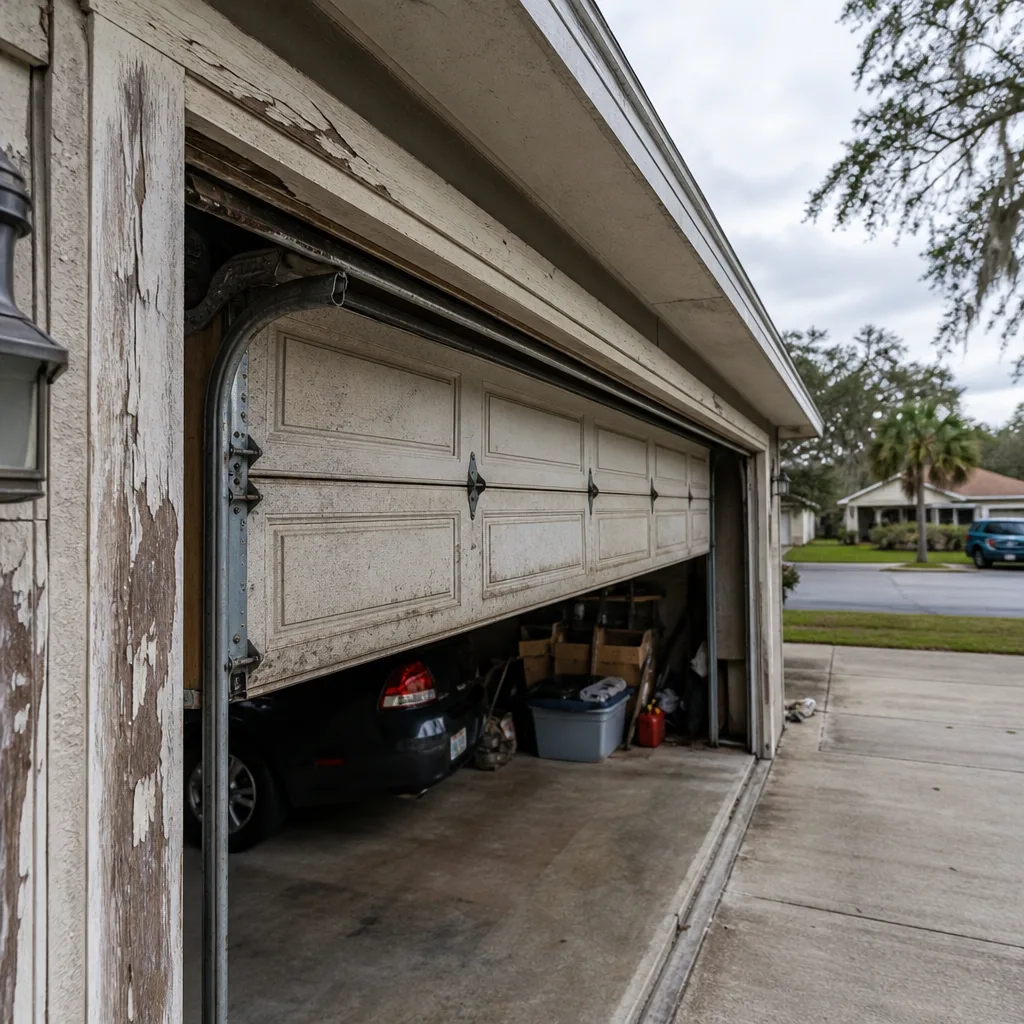 Before
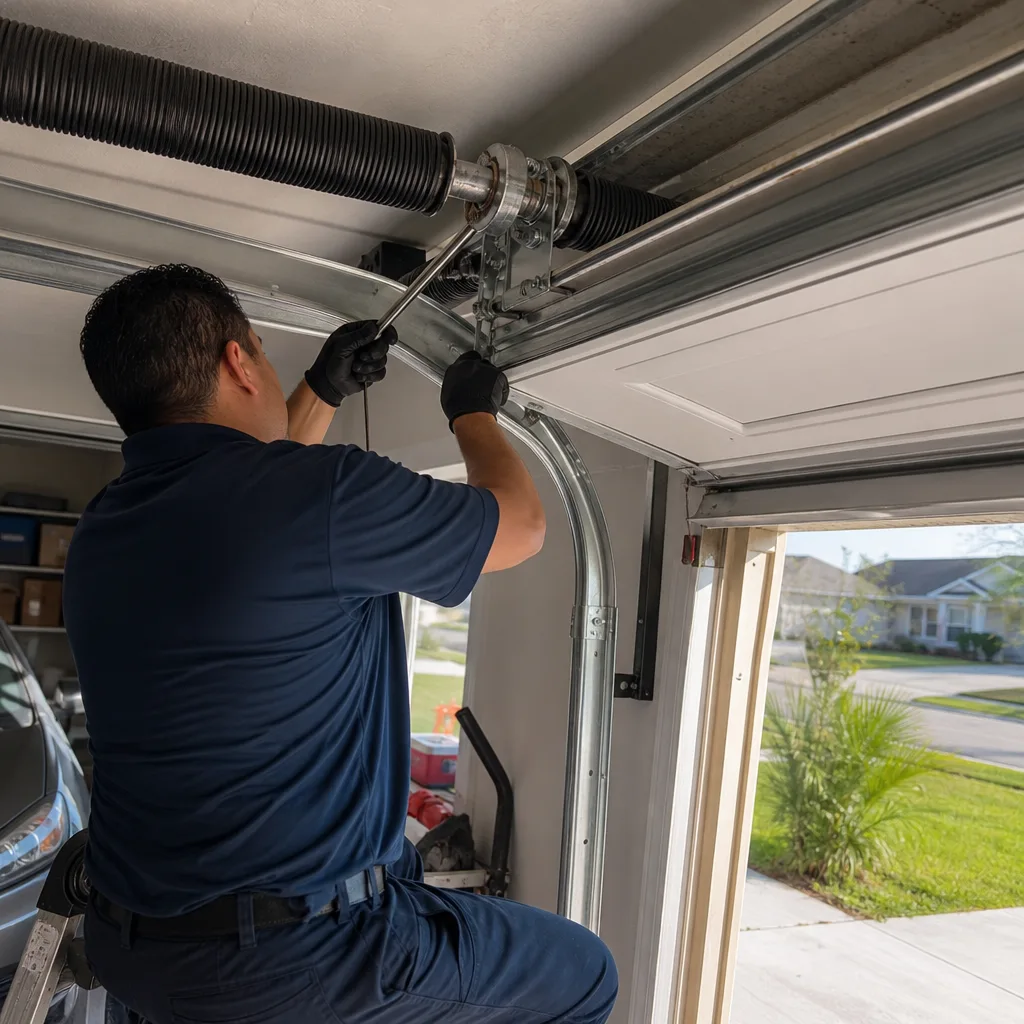 After
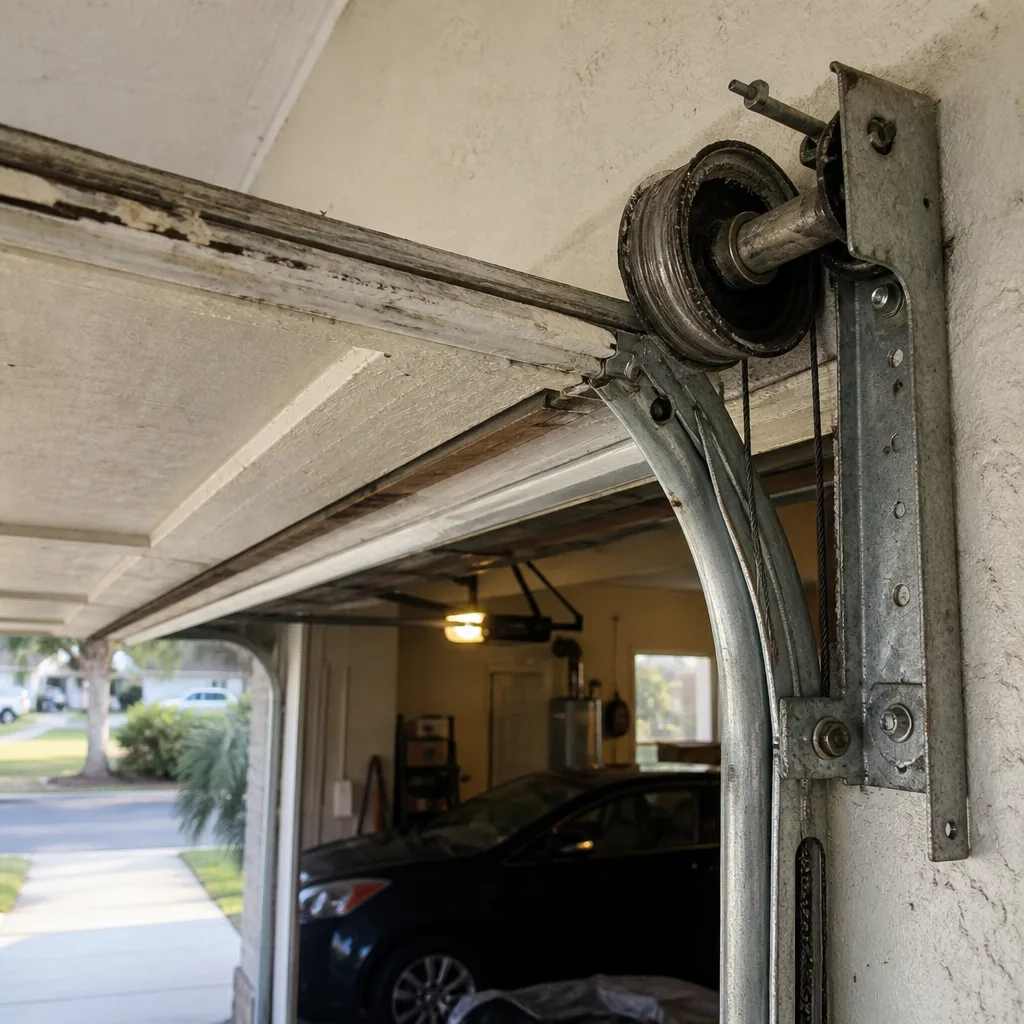 Before
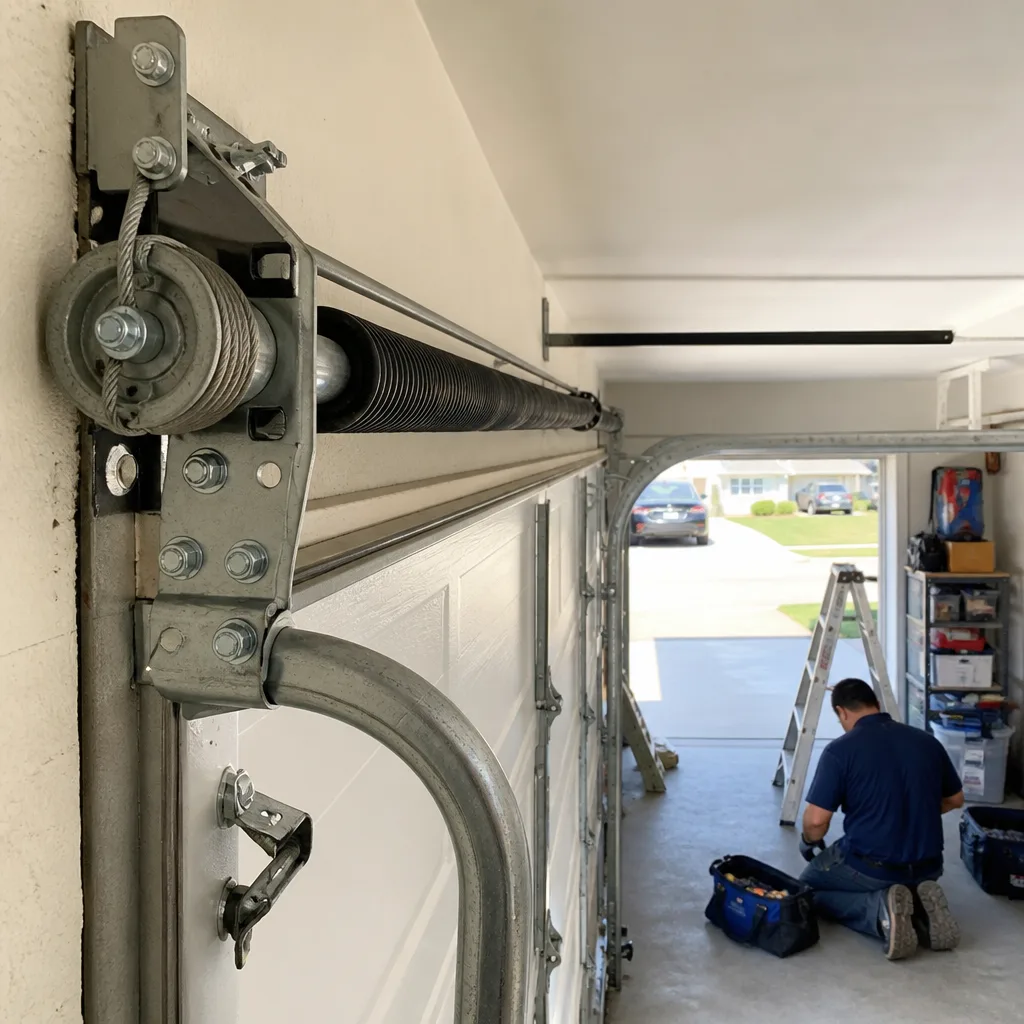 After
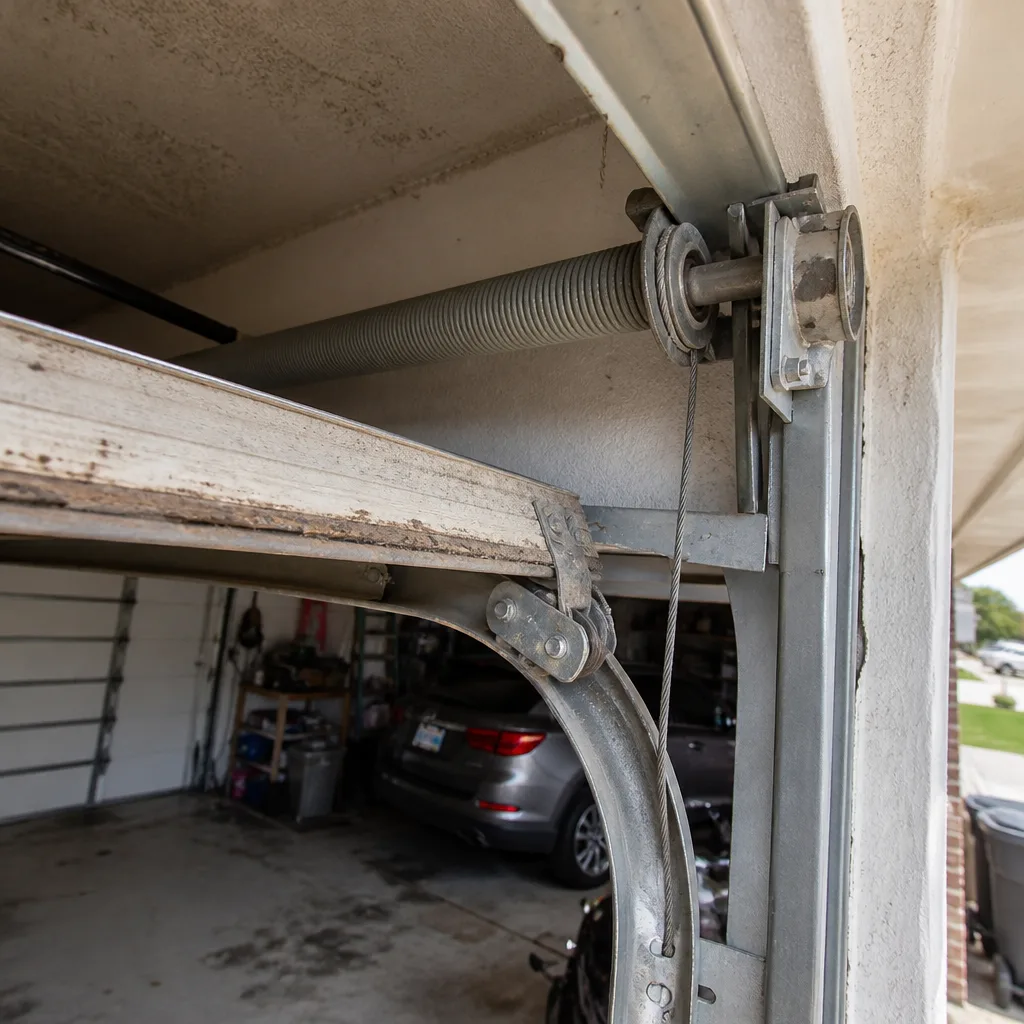 Before
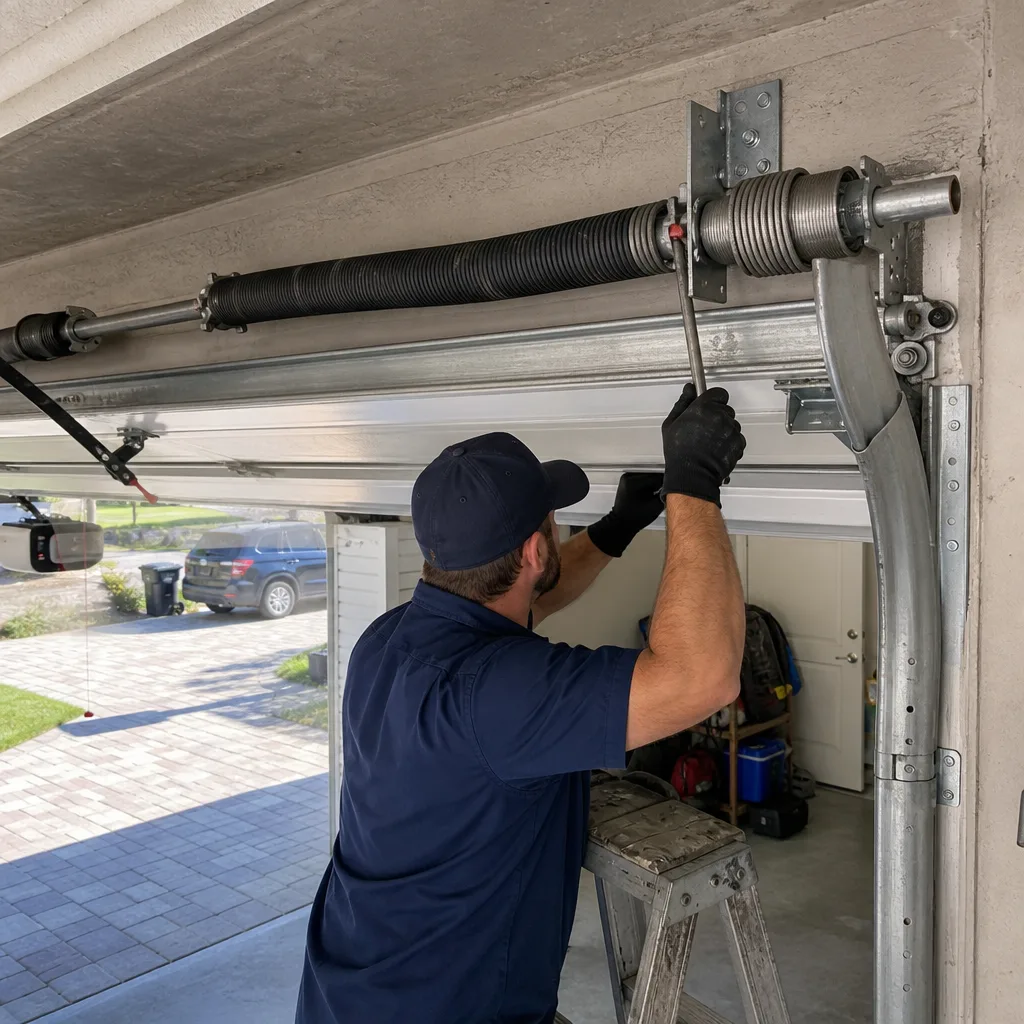 After
When to Call a Professional
Some garage door work is genuinely safe to handle yourself, like replacing photo-eye sensors or reprogramming an opener. But any work that involves structural attachment, spring systems, or wind-load compliance belongs with a professional who understands the code in Orlando and carries the permit responsibility in their name. A licensed garage door contractor handles the application, the inspection scheduling, and the documentation, and they carry the liability if the work doesn’t pass. That’s worth the difference in cost on its own.
If you’re planning a garage door replacement in Orlando and want the permitting handled correctly from the start, Fernbrook Garage Doors Orlando offers free estimates and a written price before any work begins. Call us at (850) 754-6073 and a live person will answer, day or night. We’ll walk you through the permit path for your specific address and tell you exactly what the job will cost. For more on what a full replacement involves, see our Garage Door Repair in Orlando page and our installation guide linked earlier in this piece.
Frequently Asked Questions
In most cases, yes. Full garage door replacement in Orlando requires a permit under the Florida Building Code when the track, springs, and mounting hardware are changed along with the panels. Panel-only replacement without structural changes is usually classified as ordinary repair and stays permit-exempt. To be certain for your specific address, call the Orlando or Orange County permitting office and request a written determination. Fernbrook handles permit applications as part of every Garage Door Installation in Orlando job, so the customer doesn’t have to navigate the paperwork alone.
An unpermitted garage door can surface later during a home sale title search or an insurance claim, where it may lead to after-the-fact permit fees, mandatory corrections, or a disputed windstorm claim. The after-the-fact permit typically costs double the original fee, and any code deficiencies found during inspection must be corrected before the permit is closed. The economic risk is far greater than the original permit cost.
Garage door permit fees in Orlando and Orange County generally range from $75 to $200 for a standard residential replacement, depending on project value and inspection requirements. Re-inspection fees typically add $50 to $150 if the first inspection fails. After-the-fact permits for unpermitted work run $250 to $500. For an exact quote, call (850) 754-6073, and we’ll help you work through the numbers before you commit to anything.
A Florida garage door inspector checks the wind-load label on the door, verifies the product approval document matches the installed door, examines the mounting fasteners against the product approval specifications, confirms safety cables are present on extension springs, and tests the photo-eye sensors and auto-reverse if an opener is installed. The wind-load label is the most common single point of failure in our experience across Orlando.
No. Spring repair, cable replacement, roller swaps, and hinge work are classified as ordinary repair under the Florida Building Code and do not require a permit. These are wear-item repairs, not structural installations. You can read about what spring work involves and what it should cost on our Garage Door Spring Repair in Orlando page.
If you live in an HOA community in Orlando, you likely need architectural review board approval in addition to a building permit. HOAs regulate the door’s color, material, panel style, and sometimes the manufacturer, regardless of whether the door meets Florida Building Code. Submit the proposed door to the HOA before ordering, because HOA review can take 30 days or more and a rejected door is not returnable once the box is opened.
The Bottom Line
Garage door permits in Orlando exist because a garage door is not just a door. It’s a wind-rated structural component of a building envelope in a hurricane zone, and the proof that it meets code is a small label, a product approval document, and an inspection record. The permit costs under $200 and creates a legal, defensible paper trail that protects you during a home sale and an insurance claim. Skipping it saves a little money today and risks thousands later, whether through title remediation, HOA enforcement, or a disputed storm claim. Pull the permit, photograph the wind-load label, and keep the paper with your closing documents. It’s the cheapest insurance you’ll never think about until the day you need it. And if you want the whole process handled by people who care about the details inside your garage and inside your home, call the Fernbrook Garage Doors Orlando team at (850) 754-6073, any hour, any day.
Written by Jesse Calder, Owner at Fernbrook Garage Doors Orlando, serving Orlando since 2002.