
Last updated October 17, 2026
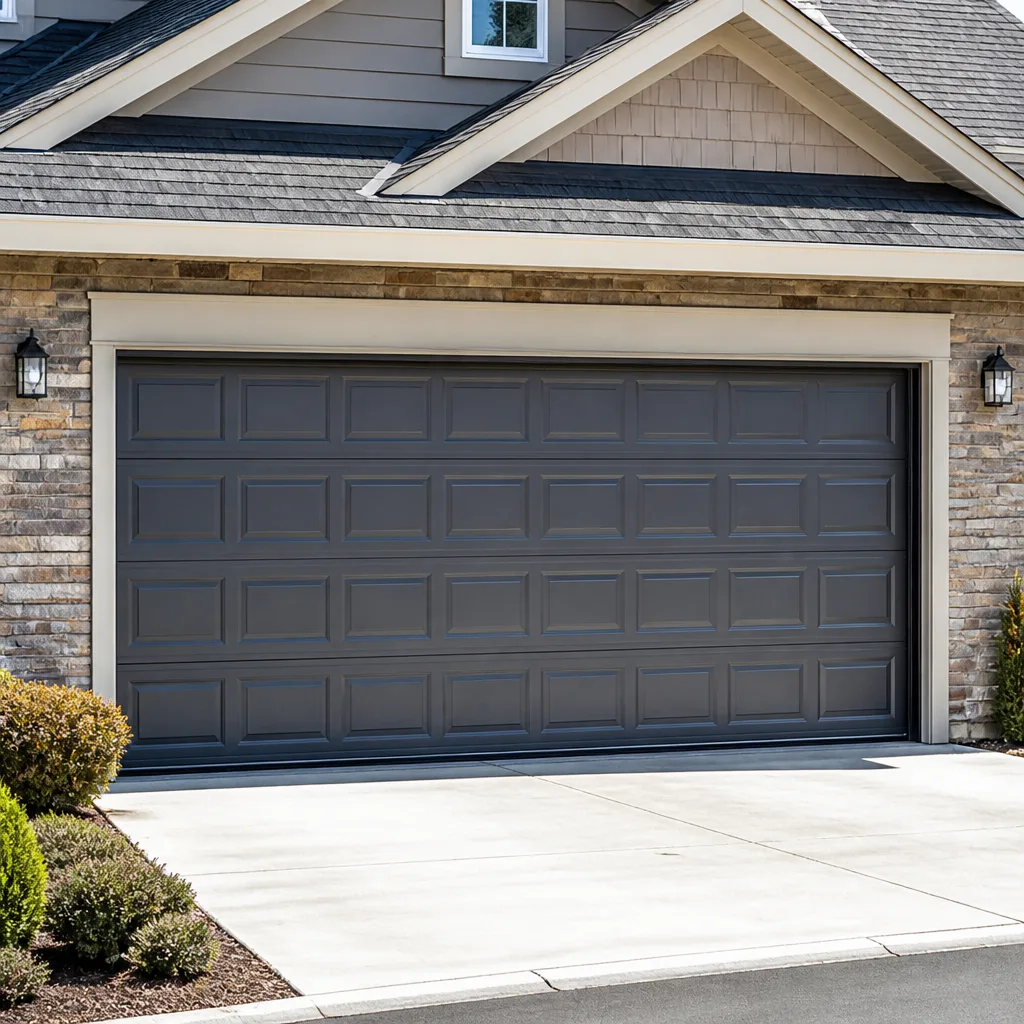 Raised-panel steel
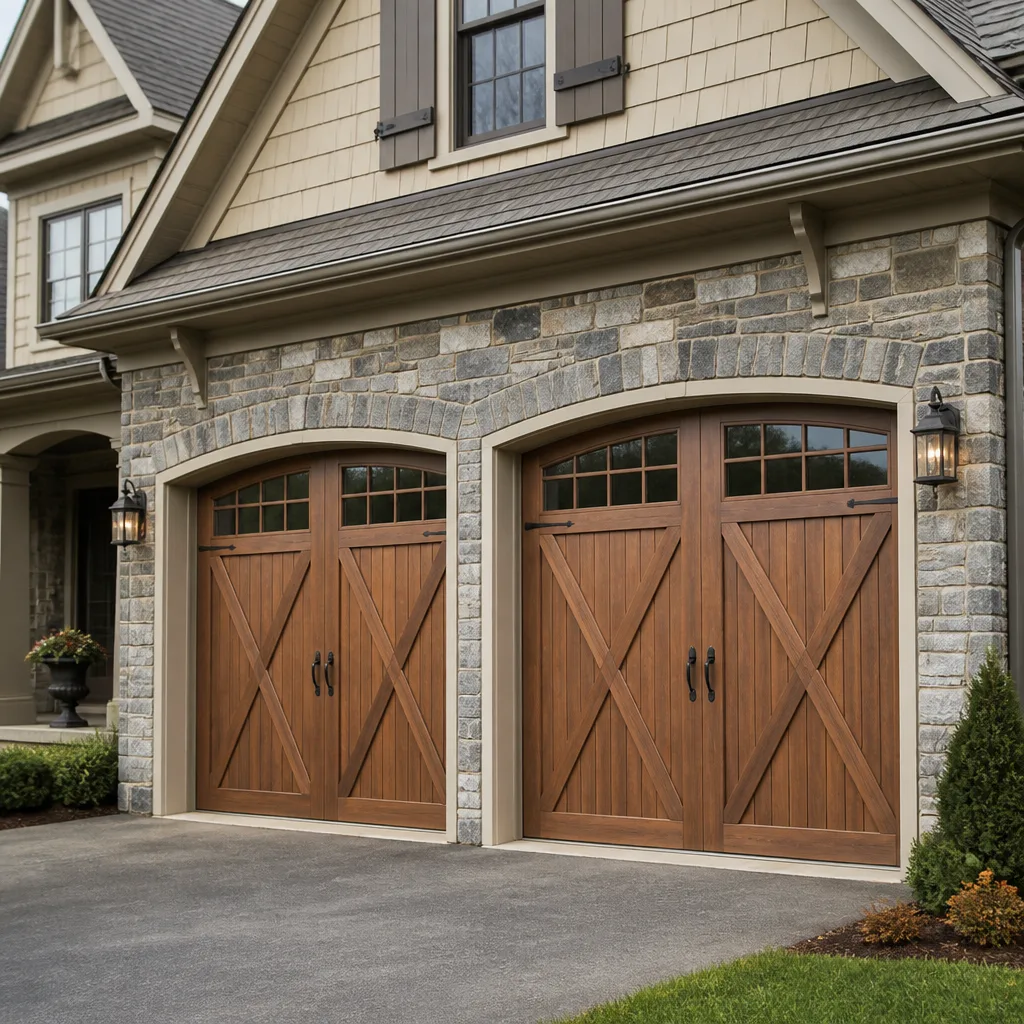 Carriage house
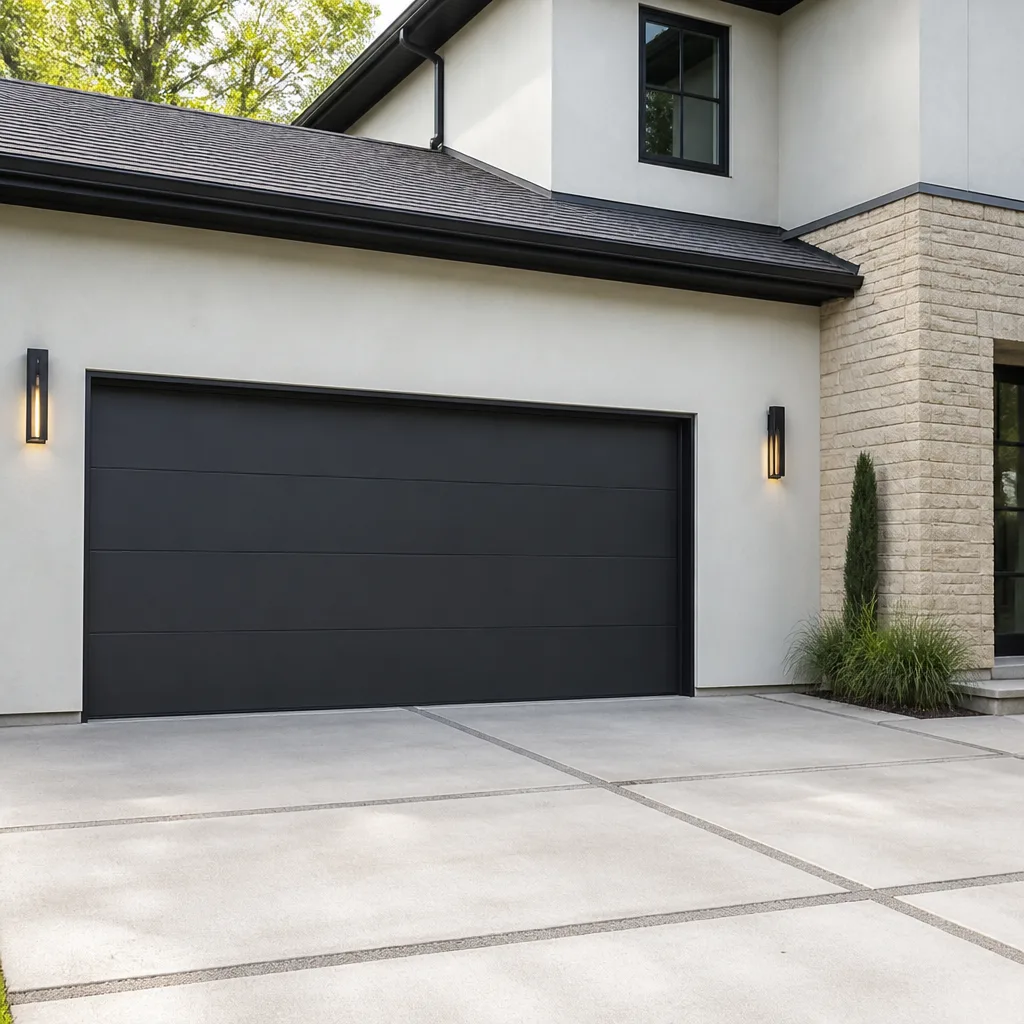 Modern flush
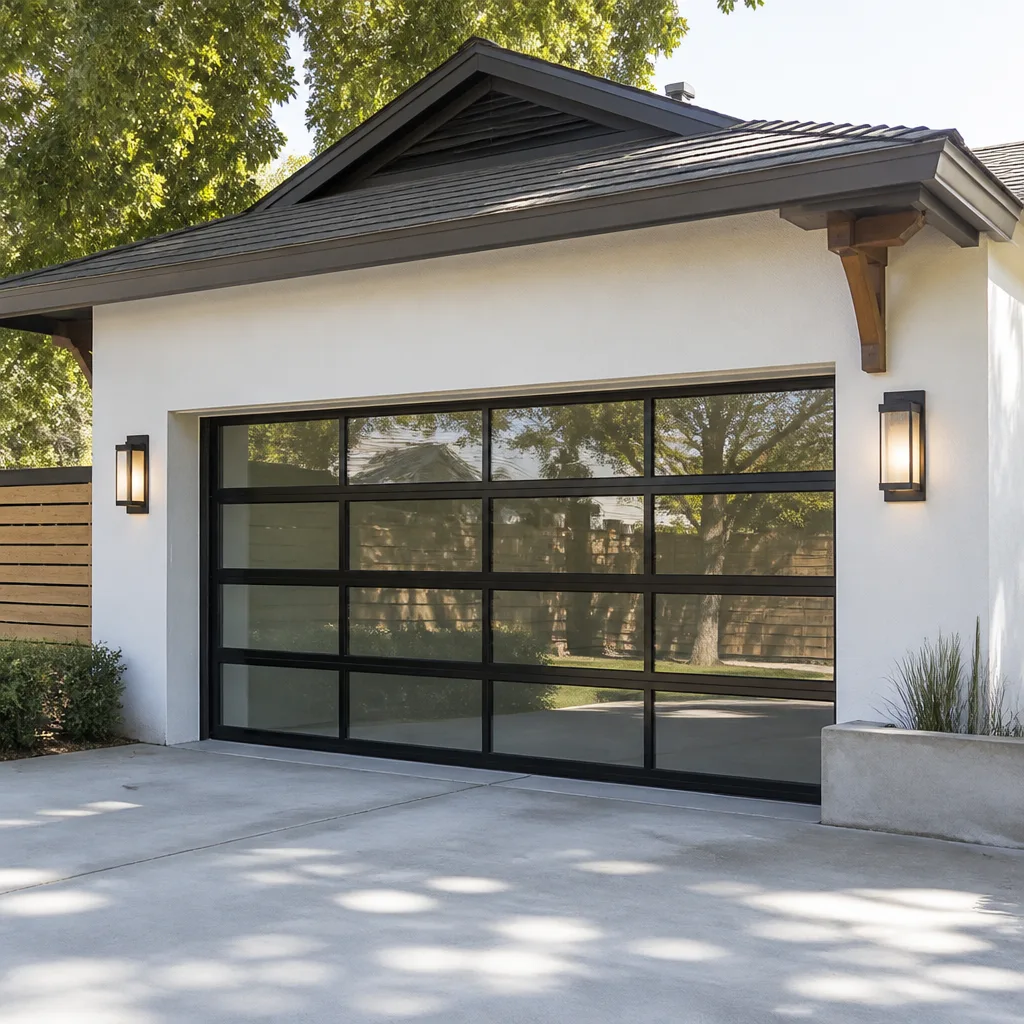 Full-view glass
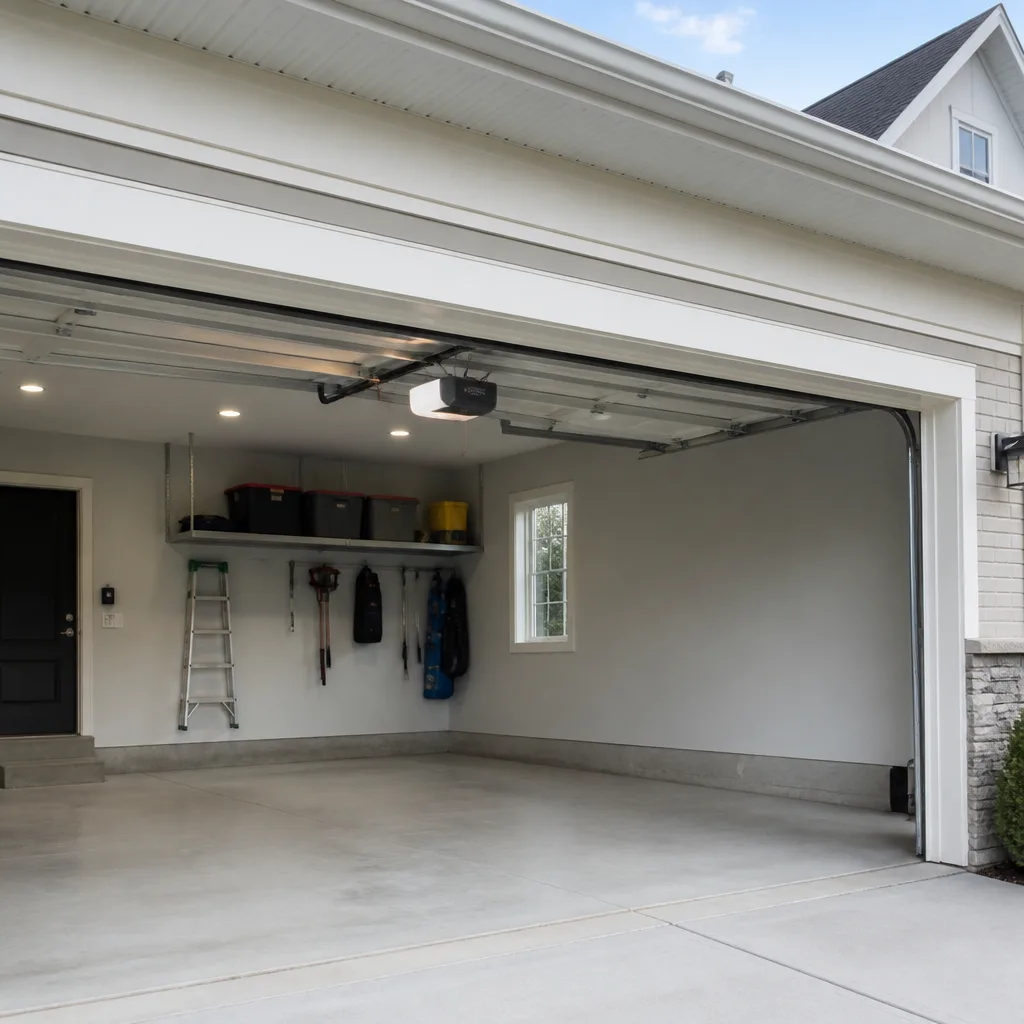 LiftMaster openers
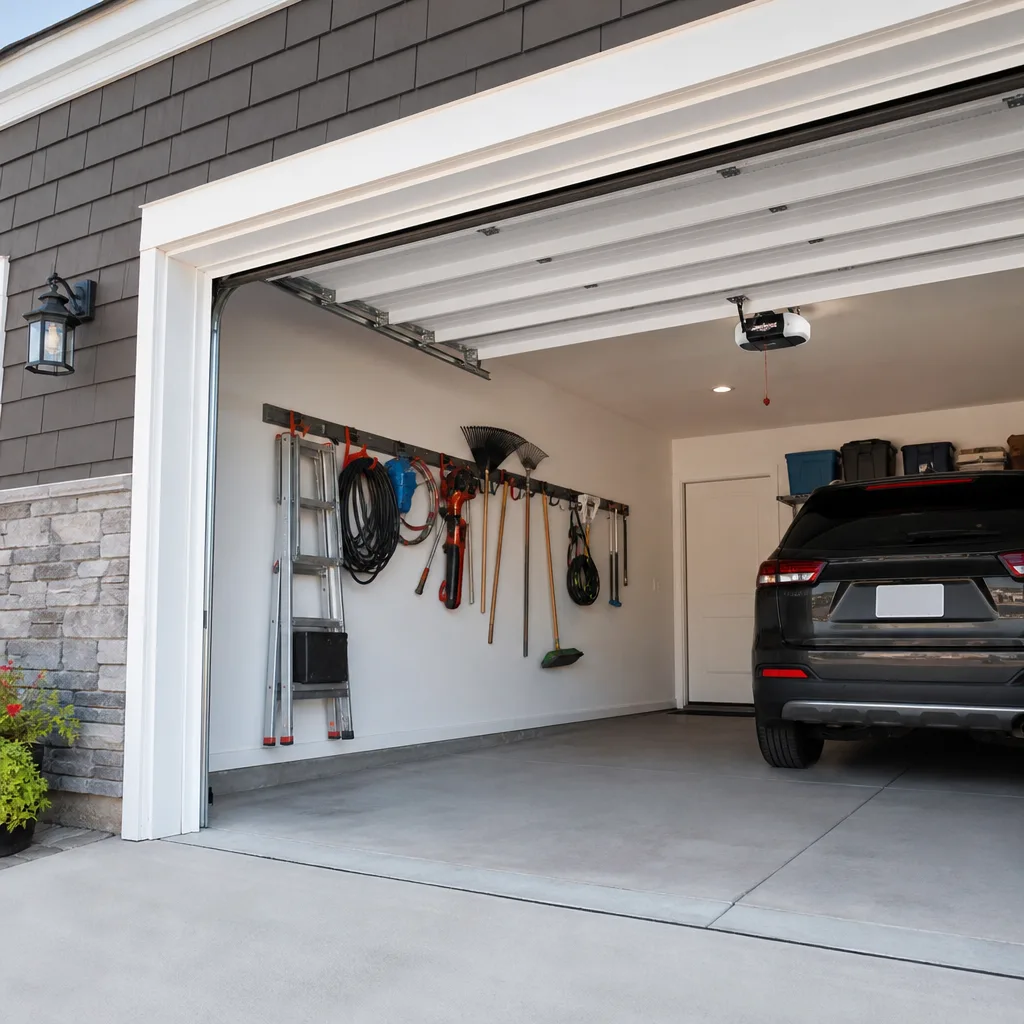 Chamberlain openers
Full 25-point door and opener safety check with every visit - springs, cables, rollers, tracks, and your LiftMaster or Chamberlain opener included
You get a price before we start. It does not change when the truck arrives.
Get your free estimateDIY vs Professional Garage Door: The Orlando Homeowner’s Decision Guide
A garage door torsion spring holds between 100 and 200 foot-pounds of stored energy when fully wound. That is enough force to break a wrist, fracture an orbital bone, or worse if it releases while you are holding the winding bar. This guide is not here to scare you away from every garage door project. It is here to draw honest lines: which tasks a careful Orlando homeowner can handle on a Saturday morning, which ones need a trained technician, and how to tell the difference before you climb the ladder. We will cover costs, Florida permits, tool requirements, and what happens when a DIY repair goes sideways.
Quick Answer
DIY is genuinely safe for garage door maintenance tasks like lubrication, sensor cleaning, weather seal replacement, and opener remote programming. Professional help is the right call for torsion spring replacement, cable work, and any repair involving components under load. In Orlando, professional garage door repair typically costs $125 to $350 for common repairs, while a full torsion spring replacement runs $180 to $340 including parts and labor. The deciding factor is not just money. It is whether the task involves stored energy, permits, or warranty exposure.
Styles & brands we work with
Table of Contents
- Task-by-Task: What is Actually Safe for DIY
- Florida Permit Rules for DIY Garage Door Installation
- The Real Cost Comparison: Parts, Time, and Risk
- How to Evaluate Your Specific Door Before You Decide
- Tool Requirements: What You Actually Need
- When a DIY Repair Goes Partially Wrong
- Common Mistakes to Avoid
- When to Call a Professional
- Frequently Asked Questions
Task-by-Task: What is Actually Safe for DIY
The honest answer is that garage door work splits into three categories: tasks with zero stored energy, tasks with mild risk, and tasks that can injure you. Most homeowners in Orlando we talk to are surprised by where the lines fall. They assume any garage door project is dangerous, or they assume none of it is. Neither is true.
Safe for DIY: No Special Tools, No Stored Energy
These tasks involve components that are not under tension. A careful homeowner with a step ladder, a rag, and an hour can handle them without risk.
- Lubricating rollers, hinges, and tracks. Use a silicone-based lubricant, not WD-40. Spray the rollers, hinge pins, and the torsion spring itself twice a year. Orlando humidity accelerates rust on metal components, so a spring and fall schedule works well here. This takes 20 minutes.
- Cleaning and aligning photo-eye sensors. If your door reverses for no reason, the sensors near the bottom of the tracks are usually the culprit. Wipe the lenses with a dry cloth and check that both lights are solid. Alignment is a simple bracket adjustment you can do with a screwdriver.
- Replacing the bottom weather seal. The rubber strip along the bottom of the door rots faster in Florida heat and rain than in most climates. Slide the old one out, slide a new one in. No tools beyond a utility knife. A replacement seal costs $15 to $40 at any Orlando hardware store.
- Programming or reprogramming a remote. Every opener brand has a simple “learn” button procedure. Hold the button, press the remote, done. This is a two-minute job with no tools.
- Tightening loose hardware. Bolts and nuts vibrate loose over time. A socket set and 15 minutes once a year prevents bigger problems later.
Not Safe for DIY: Stored Tension and Loaded Cables
These are the tasks where the energy in the system is the danger, not the difficulty of the work. A torsion spring is wound to counterbalance the full weight of the door. If the spring is intact and you remove the wrong bolt, that energy releases instantly. Extension springs stretch under similar load. Cables carry the door’s weight when it is open.
- Torsion spring replacement. This is the number one injury-causing garage door task in the United States. The winding bars, the spring’s torque, and the risk of a bar slipping are not things a video tutorial can prepare you for. Professionals use specific-length winding bars and replace springs in matched pairs when one fails.
- Extension spring replacement. Slightly less dangerous than torsion springs but still carries a real risk if the safety cable is not installed correctly. When an extension spring snaps, the broken end becomes a projectile if the safety cable is missing or damaged.
- Cable replacement. The lift cables run alongside the door and only carry tension when the door is moving. If you disconnect a cable while the door is up, the door can drop. A dropped 16-foot door weighs 150 to 300 pounds. That is not a bruise. That is a hospital visit.
- Track realignment under load. Tracks can be nudged back into place with a hammer when the door is down and the tension is released. But if the door is stuck midway and the track is bent, the door’s weight is sitting on the track. Releasing that without knowing how to support the door is dangerous.
The Gray Zone: Medium Risk, Depends on Your Comfort
Some tasks sit between the two. Replacing rollers on a door with torsion springs can be done safely if you know which brackets are under tension and which are not. Replacing an opener motor is straightforward if the electrical wiring is accessible and you are comfortable with a circuit breaker. Installing a new keypad is simple. But if you are uncertain about any step, the risk calculation changes.
Florida Permit Rules for DIY Garage Door Installation
This is the section most DIY guides skip, and it matters for Orlando homeowners more than almost any other factor. For Garage Door Permits, Codes & Inspections in FL: What You Need to Know, read our dedicated guide. Florida allows a homeowner to pull an owner-builder permit for their own residence. That means you can legally install your own garage door without being a licensed contractor. But there is a catch that real estate attorneys in Orange County will tell you about at closing: when you pull an owner-builder permit, you assume the contractor liability for that installation.
What does that mean in practice? If you sell your home within a year of the installation, Florida law treats you as a contractor under the owner-builder statute. You must disclose that you performed the work yourself, and you may be required to provide evidence that the work was done to code. If the next owner finds a problem with the door, they can come after you. A professionally installed door transfers the warranty and removes that liability from you.
For a simple garage door replacement where the opening and footprint do not change, many Orlando homeowners proceed without a permit because the enforcement is inconsistent. But wind-load requirements are not optional in Florida. Orlando sits in a high-velocity hurricane zone. Doors installed in homes built after 2002 must meet Miami-Dade or Florida Building Code wind-load standards. If you install a door that does not meet those standards, your insurance company can deny a claim after a storm. That is not a hypothetical. Insurance adjusters in Central Florida check wind-load ratings on garage doors as a standard part of hurricane damage claims.
The practical takeaway: DIY installation is legal in Orlando if you pull the owner-builder permit, but the permit creates liability that most homeowners do not want. Professional installation typically includes the permit, the wind-load certification, and a warranty that transfers if you sell.
The Real Cost Comparison: Parts, Time, and Risk
The DIY argument usually starts with the parts cost. A pair of torsion springs costs $60 to $120 online. A professional replacement in Orlando runs $180 to $340 installed. So DIY saves you $60 to $220, right? Not exactly. Here is the honest math for Orlando in 2026.
DIY Torsion Spring Replacement: The Full Picture
- Parts: $60 to $120 for matched springs
- Tools: Winding bars ($20 to $40), a socket set you may already own, a ladder
- Time: 3 to 5 hours for a first-timer, including watching tutorials, checking measurements, and doing the work twice if the first attempt is wrong
- Risk of a mistake: A mis-wound spring leaves the door unbalanced. That causes the opener to work harder, wear faster, and eventually fail. A professional includes balance testing in the job. A DIY job that skips this step saves $100 now and costs $300 more in opener damage within two years.
- Injury risk: Quantifiable. Emergency room visits for garage door spring injuries average $7,000 to $15,000 in Central Florida, and that is before lost work time. One slip with a winding bar and the savings math collapses.
Professional Replacement: What the $180 to $340 Actually Buys
- Matched springs sized to your door’s exact weight and track radius
- Balance testing after installation, so the opener does not carry excess load
- Safety cable inspection on extension-spring systems
- A warranty that follows the work, not the receipt
- No trip to the hardware store, no YouTube deep dive, no uncertainty
The cost comparison changes further when you factor in Orlando’s climate. Springs rated for 10,000 cycles in a dry climate fail faster in Florida’s humidity and salt air. A professional can install high-cycle springs rated for 20,000 to 30,000 cycles. Those cost $30 to $60 more per spring but last two to three times as long. Most DIYers order standard-cycle springs online because they do not know the difference. The “cheaper” DIY spring becomes the more expensive choice over the life of the door.
How to Evaluate Your Specific Door Before You Decide
Before you commit to either path, check our Garage Door Repair Maintenance Checklist for Orlando Homeowners and walk out to your garage to answer four questions. These determine whether your door is a simple machine or a complicated one.
1. Single Spring or Double Spring?
A single spring runs across the center of the door above the opening. A double spring system has two springs, one on each side. Double-spring doors are heavier, and the springs are individually weaker, which makes them slightly less dangerous to service but more complicated to balance. If you have a single spring and it breaks, the fix involves unwinding and rewinding one component. That is the simplest torsion spring job. If you have two springs, both should be replaced at the same time, even if only one broke. They wear at the same rate.
2. How Heavy is the Door?
Weigh your door by checking the manufacturer tag or measuring the panels. A 7-foot single-car door made of lightweight steel weighs 150 to 180 pounds. A 16-foot double door with insulation and windows carries 250 to 300 pounds. The heavier the door, the higher the spring tension, and the more dangerous any tension-related work becomes. If your door is a double-wide insulated model with glass panels, the DIY risk calculation shifts firmly toward professional.
3. Opener Compatibility
If you are replacing the door but keeping the opener, you need to confirm the opener’s horsepower is adequate for the new door’s weight. A builder-grade 1/2 HP opener struggles with a double-insulated door. An existing opener with 10 or more years of service may not have the safety sensor features required by current Florida code. These questions are easy to answer with a professional evaluation and frustrating to untangle after a DIY install has already been completed.
4. Are the Tracks Plumb and Square?
Open the door halfway and step back. The tracks on both sides should be parallel and vertical. If they lean inward, outward, or sag, you have a structural issue that predates whatever repair you are planning. Installing new components on misaligned tracks is putting new tires on a bent axle. A professional will measure and correct the track alignment before installing anything. A DIYer will not notice the misalignment until the new door binds, scrapes, or refuses to close.
Tool Requirements: What You Actually Need
The tool list is where DIY plans quietly fall apart. A professional garage door technician in Orlando arrives with a truck stocked with specialized tools that most homeowners will never own. Here is what the work actually requires.
For safe DIY tasks (lubrication, sensors, weather seal, remote programming):
- Step ladder
- Silicone-based lubricant spray
- Microfiber cloths
- Socket set (for tightening hardware)
- Utility knife (for weather seal)
You likely own all of this. Total cost: $0 to $40, mostly for the right lubricant. These are the tasks where DIY makes sense for most Orlando homeowners.
For torsion spring replacement (professional-only territory):
- Winding bars of the exact diameter for your spring cone
- A torque wrench for checking set screws
- Depth gauge for measuring spring wire size
- Matched replacement springs with correct inside diameter and wire gauge
- Knowledge of your door’s weight and track radius to set the correct wind count
Notice what this list does not include: a tutorial. You can watch three hours of videos and still wind a spring incorrectly because the correct wind count depends on your specific door’s height, weight, and track configuration. No video covers your exact door. The first time you get it wrong, the door slams or the opener strains. The second time you get it wrong is when people get hurt.
At Fernbrook Garage Doors Orlando, our technicians carry the full range of springs, cables, and safety hardware on the truck, so the evaluation and the fix happen in one visit. That is the practical advantage of professional service that a tool list cannot capture: the parts are already there, sized correctly, and the person holding the winding bars has done this specific job hundreds of times.
When a DIY Repair Goes Partially Wrong
Most DIY garage door projects do not end in injury. They end in a door that half works. The spring is wound, but the door creeps up when closed. The sensors are aligned, but the door reverses three inches from the floor. The new weather seal is in, but the door now scrapes the rubber on one side. These partial failures are where we hear from homeowners most often in Orlando.
Here is how to categorize the failure you are looking at.
Recoverable on Your Own
If the door reverses near the floor, the issue is almost always the close-force setting or the limit switch. Both are adjustable on the opener with a flathead screwdriver. This is safe to fix yourself. If the door creaks or is slightly loud, that is a lubrication or roller issue. Safe to address with a silicone spray. If the remote works intermittently, the problem is the remote battery or the antenna wire on the opener. Safe DIY fixes.
Requires Professional Correction Before the Door is Safe
If the door does not stay in place when opened halfway, the springs are not balanced correctly. Do not use the door. Call for service. If the cables look loose, frayed, or are off the drum, the door can drop at any moment. Do not touch it. If the door judders or shakes while moving on a newly installed spring, the spring is likely overwound, and the opener is fighting it. Continued use will burn out the opener motor. If you hear a bang and the door slams down, you have a catastrophic failure. The spring was either wound incorrectly or installed without the correct set screws being tightened. Step away and call a professional from somewhere not under the door.
We see each of these scenarios in Orlando neighborhoods more often than we would like. A homeowner in Conway spent $90 on springs and installed them with vice grips because he did not own winding bars. The door worked for two weeks, then the spring unwound abruptly at 10:30 at night. He called us the next morning. The repair took 45 minutes. The professional fix cost what the professional fix would have cost originally, minus the $90 and the two weeks of stress. That is the most common ending to the DIY spring story: not an injury, but a delayed invoice.
Common Mistakes to Avoid
- Using WD-40 on rollers and hinges. WD-40 is a water displacer, not a lubricant. It cleans light rust but evaporates quickly and attracts dirt. Use a silicone or lithium-based garage door lubricant. In Orlando humidity, the wrong product leaves hinges squeaking within two weeks.
- Assuming all springs are the same. Springs are sized by wire gauge, inside diameter, length, and wind direction. Ordering “a garage door spring” online is like ordering “a tire” without knowing the rim size. A mismatched spring either will not fit or will not balance the door.
- Replacing one spring when the other is still intact. Springs wear evenly. If one broke, the other is close behind. Replacing only the broken spring leaves you with mismatched tension and another breakdown within months. This is the most common shortcut we correct on doors where a DIYer replaced a single spring.
- Skipping the balance test after any spring work. A door that is properly balanced stays where you put it when opened halfway. If it creeps up or down, the springs are wrong. Most DIYers never test this. The opener compensates for the imbalance until it burns out prematurely.
- Installing a door without wind-load verification in Orlando. This is the Florida-specific mistake. A door without the correct wind-load rating will not protect your home in a hurricane and may void your insurance coverage. Check the label before installation, not after.
- Pulling the emergency release cord while the door is up. The red cord disengages the opener from the door. If the springs are broken or the cables are off, the door will drop. The cord is not a reset button. It is a disconnect, and it should only be used when the door is closed.
If you are weighing a DIY project and want a professional opinion before you start, our Garage Door Repair in Orlando page covers what a typical service visit includes. We would rather help you avoid a mistake than fix one.
When to Call a Professional
Call a professional when the task involves stored tension, loaded cables, or a permit. That means torsion spring replacement, extension spring replacement, cable repair, track realignment under load, and full door installation. Call a professional if your door is heavy, your springs are old, or your opener is more than a decade old and you are not sure it meets current code. Call a professional if you have attempted a DIY fix and the door now behaves worse, makes new noises, or will not stay in position. None of these situations improve by waiting. Some of them get more expensive by the week.
Fernbrook Garage Doors Orlando offers free estimates in Orlando, and a live person answers the phone 24/7. Call (850) 754-6073. We are also a helpful resource when you are just deciding between repair and replacement: our Garage Door Installation in Orlando page explains what a full replacement involves and what to expect from a professional install.
Frequently Asked Questions
Garage door spring replacement in Orlando typically costs $180 to $340 for a professional torsion spring replacement, including parts and labor. High-cycle springs rated for 20,000 to 30,000 cycles run $30 to $60 more per spring. Call (850) 754-6073 for an exact quote based on your door’s weight and spring type. Estimates are free.
You can physically attempt it, but it is genuinely dangerous. A torsion spring holds 100 to 200 foot-pounds of stored energy, and a slip with a winding bar can break bones or worse. The specialized winding bars and correct wind count for your specific door are things most homeowners do not have and cannot learn accurately from video. We recommend professional replacement for this task, and our Garage Door Spring Repair in Orlando page explains the process and pricing.
Florida allows homeowners to pull an owner-builder permit for a garage door installation on their own residence. However, that permit transfers contractor liability to you and requires disclosure if you sell the home within a year. Professional installation typically includes the permit, wind-load compliance, and a transferable warranty. For most Orlando homeowners, the professional route is the safer legal and financial choice.
A first-time DIY torsion spring replacement takes three to five hours, including research, measurement, and the work itself. A professional in Orlando completes the same job in 45 to 90 minutes because the springs, tools, and experience are already present. If the DIY attempt includes a mistake that requires professional correction, the total time investment doubles.
Lubricating rollers and hinges, cleaning and aligning photo-eye sensors, replacing the bottom weather seal, and programming remotes are all safe DIY tasks. These involve no stored tension, no loaded cables, and no special tools beyond a ladder and a screwdriver. Most Orlando homeowners can complete these in under an hour each.
An opener struggles when the door is not balanced, which means the springs were either the wrong size or wound to the wrong tension. The opener motor is compensating for the imbalance, and continued use will wear it out quickly. A professional replacement includes a balance test that prevents this problem. If you are experiencing this now, call (850) 754-6073 before the opener fails completely.
The Bottom Line
The DIY versus professional decision for garage doors in Orlando is not a cost question. It is a risk question with three layers: physical risk from stored tension, legal risk from Florida owner-builder permit rules, and financial risk from a repair that fails silently and damages your opener. Safe DIY work exists, and it saves you real money: lubrication, sensors, weather seals, remote programming. The dangerous work is concentrated and identifiable: springs, cables, tracks under load, and full installations. If the task involves tension or a permit, the professional route is the less expensive option over time. If the task is maintenance, grab the ladder and the silicone spray. And if you are unsure which category your job falls into, our Fernbrook Garage Doors Orlando home page is a good starting point, or call us directly at (850) 754-6073 and describe what you are seeing. A live person answers, and we will tell you honestly whether it is a DIY job or one for us.
Written by Jesse Calder, Owner at Fernbrook Garage Doors Orlando, serving Orlando since 2002. Explore more guides & resources from our team.
See the difference
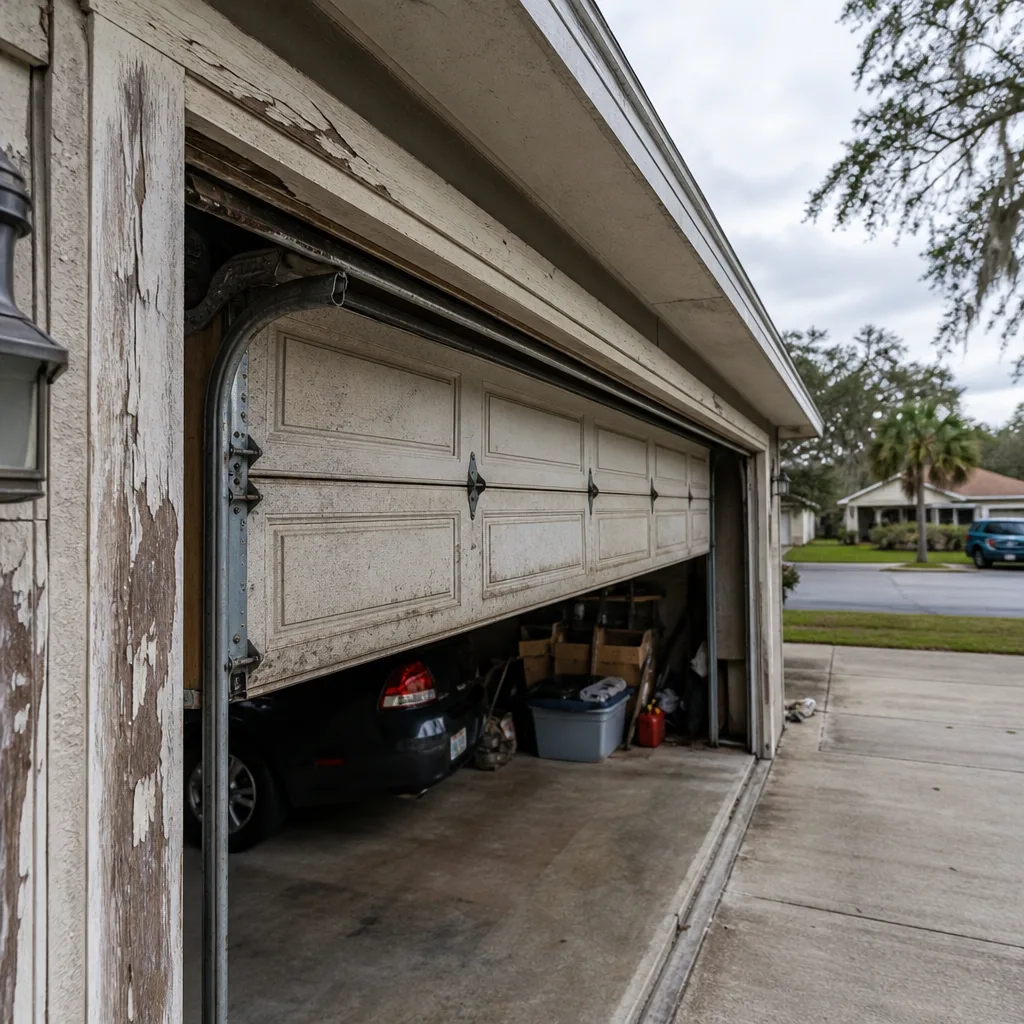 Before
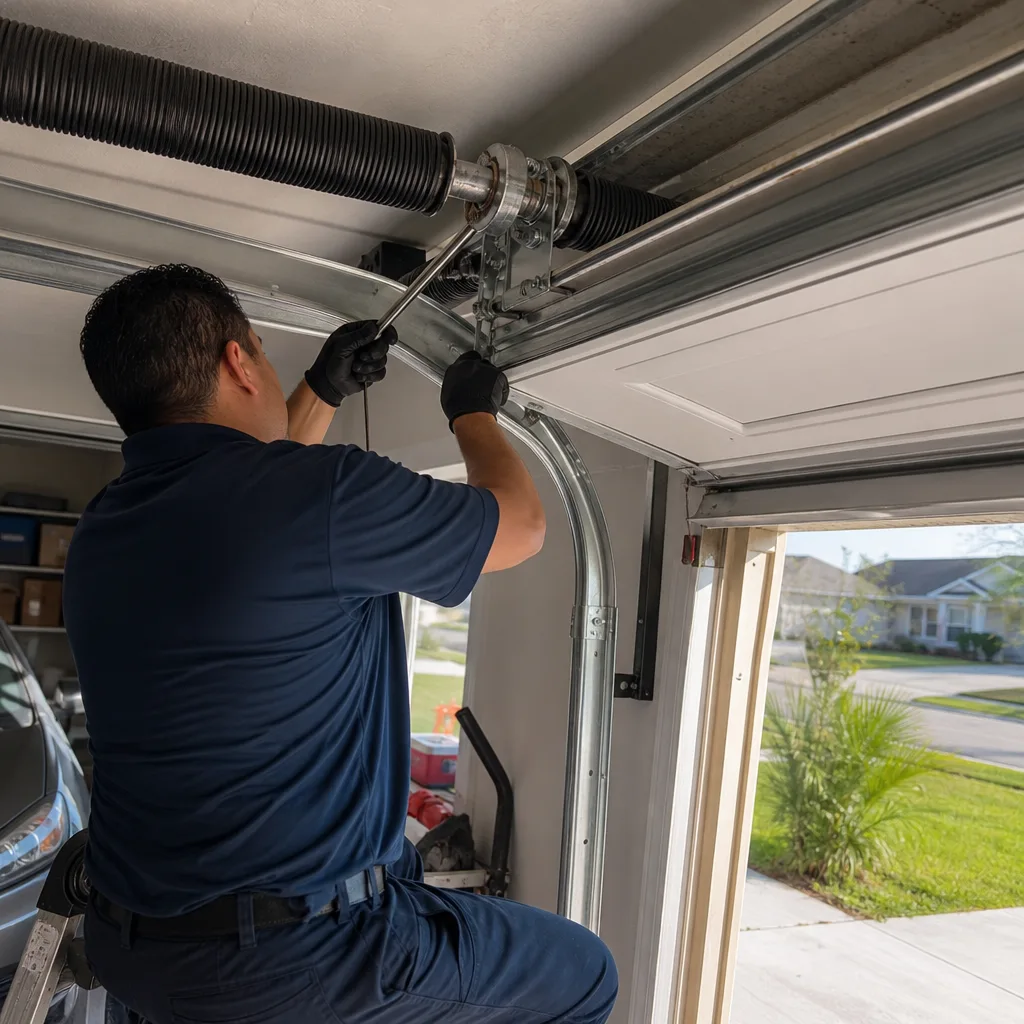 After
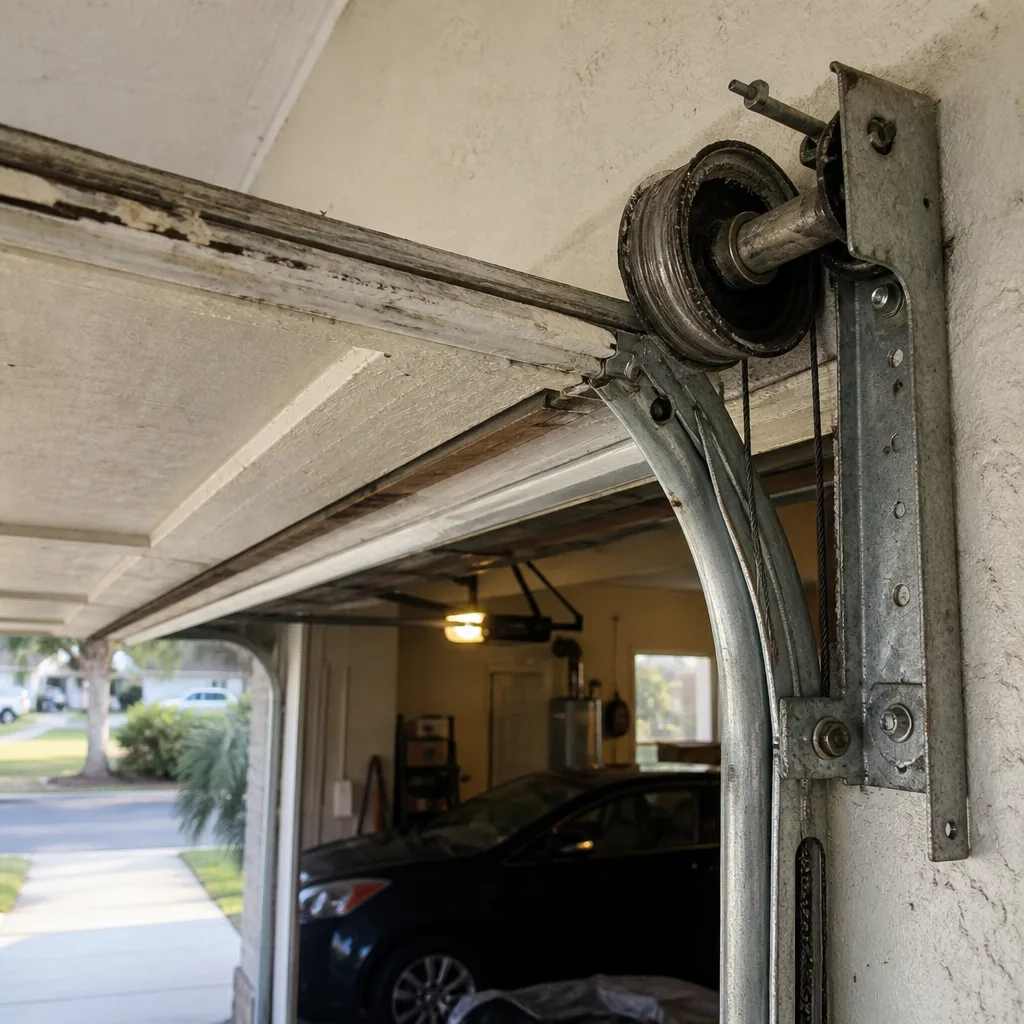 Before
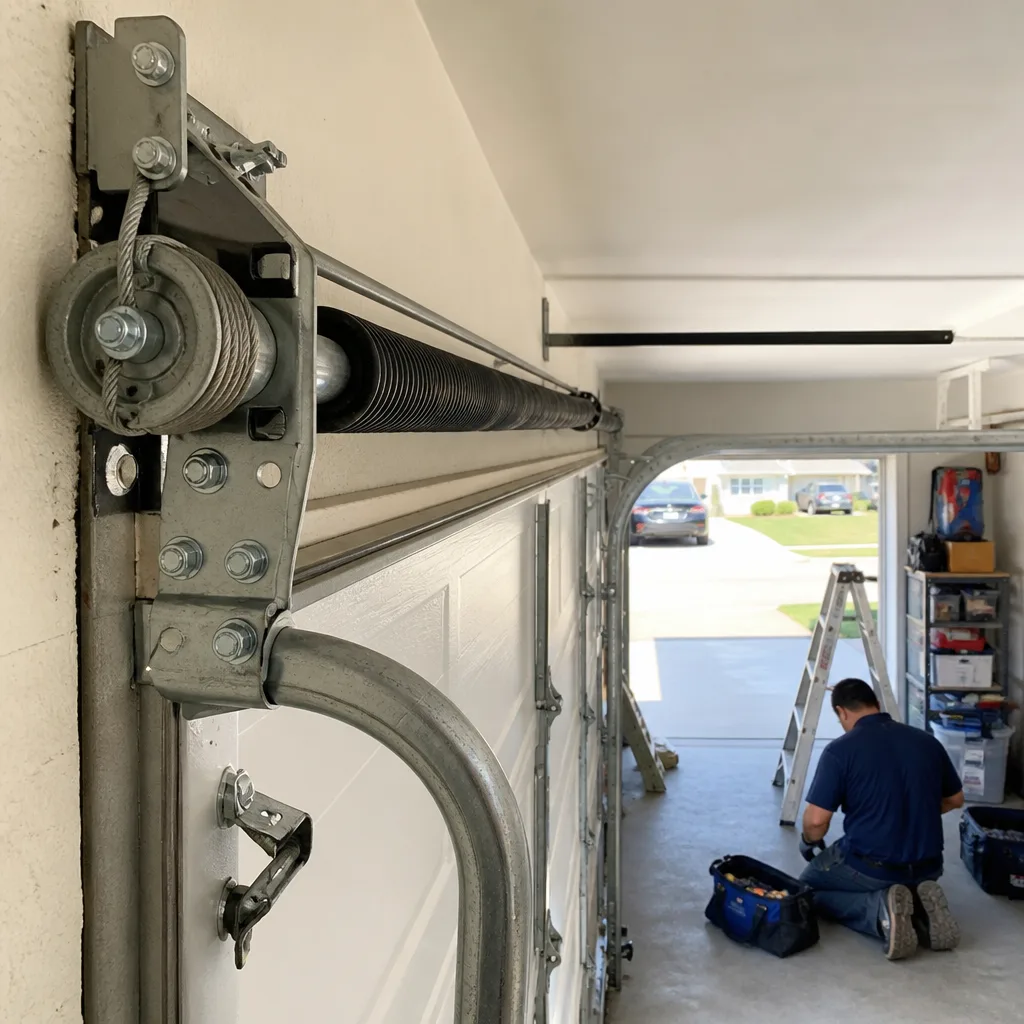 After
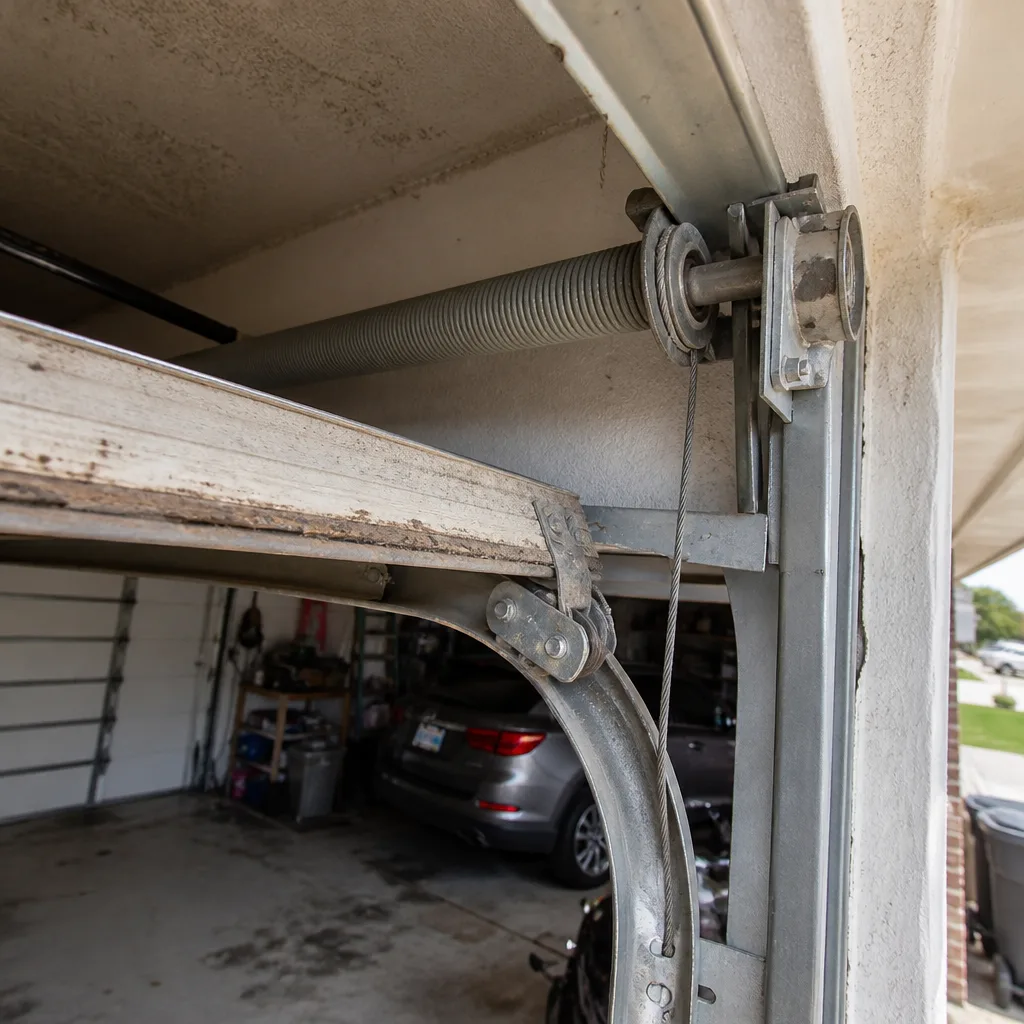 Before
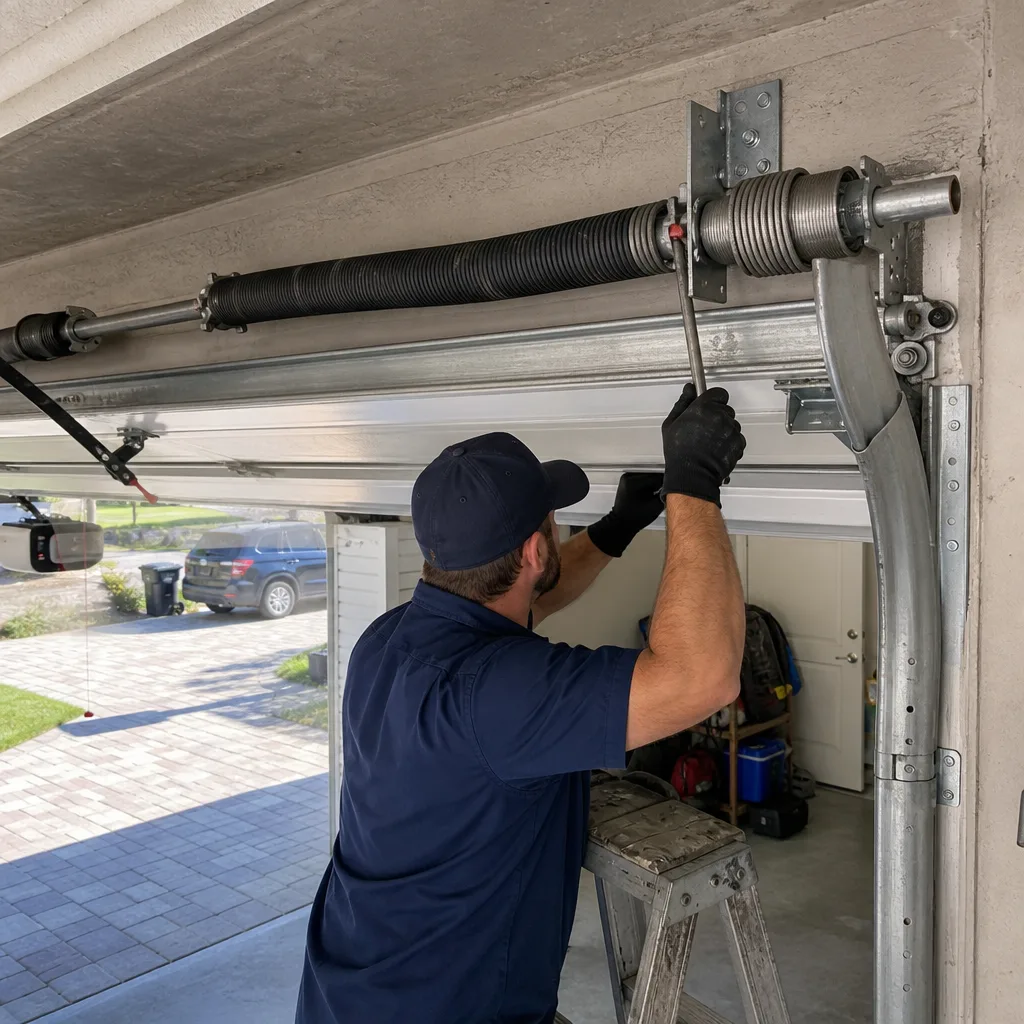 After